




TREE
CARE
TIPS
PLANTING A TREE IS A GREAT START!
BUT CARING FOR IT IS JUST AS IMPORTANT.
With a little attention, the trees we plant now can grow and contribute for future generations! Here are some tips and tricks to take care of your tree! Please refer to ERA’s Guidelines on Works Involving Trees for more information or consult with your licensed local tree specialist!
1.
Watering your tree
- Water the tree well during the first 3 years, especially during the summertime when rainfall is scarce, and heat is high!
- Water your tree early in the morning during sunrise or during sunset to ensure that the water used to irrigate the tree reaches the roots before it evaporates!
- Ensure you keep a gulley (konka) around your tree to maintain moisture around your tree!
2.
Sunlight
- Ensure your tree has enough sunlight, essential for the process of photosynthesis – the process by which trees produce energy.
3.
Space
- Trees need sufficient space for growth and development! Avoid overcrowding and provide adequate room (~ >3.5m between each tree).
4.
Mulching
- Apply a layer of organic mulch around the base of the tree, leaving a gap between the mulch and the trunk to prevent moisture buildup and potential rot. Mulch helps retain soil moisture, regulate temperature, and suppress weed growth!
5.
Supports
- Newly planted trees require some sort of supports to maintain the tree in an upright position and provide stability, especially in open areas where exposure is high.
- Stakes are usually used to provide support to the tree stem.
- To prevent girdling injuries avoid using wire against the trunk to tie it to the stake. Instead, use any strong, soft wide strips of material such as fabric or pantyhose.
- Trees that have some sway tend to develop a stronger trunk and more girth, so avoid tying the trunk to the stake tight!
6.
Protect the roots
- Roots tend to spread wider than the tree’s branches, it is not encouraged to dig or place heavy objects around the tree stem.
7.
Keep the tree safe!
- Do not damage the trunk or the branches.
- Never tie wires, ropes or signs tightly around the tree!
- Avoid hitting the tree with tools and machinery.
8.
Pruning your tree
- Only remove dead, diseased or broken branches.
- Avoid cutting large branches unless absolutely necessary.
- Rule of thumb, if you’re unsure avoid cutting.
9.
Be patient
- Trees grow slow, with time and care – the tree will adapt to its new place!
- Slow growth and even yellowing of leaves at first is normal.
DID YOU KNOW?
SPECIES SPECIFIC FACTS!
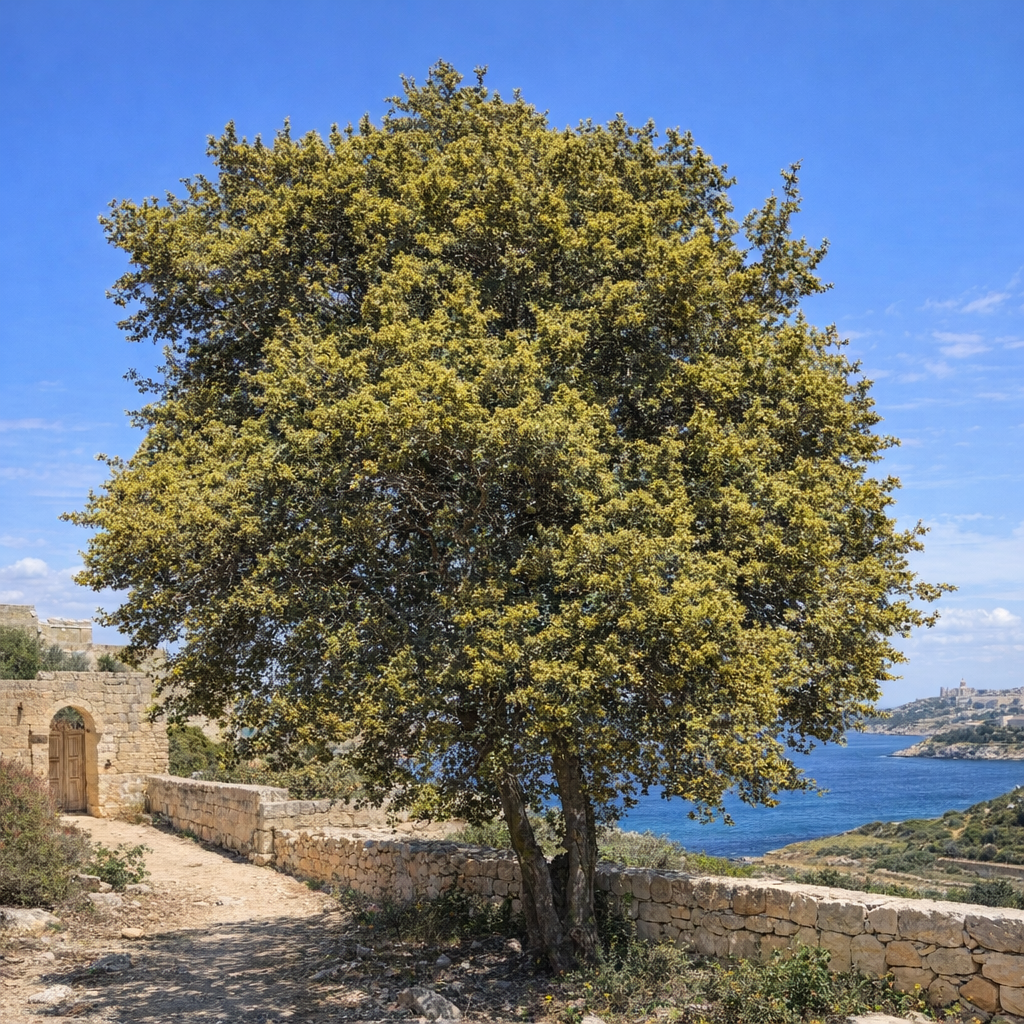
Il-Balluta x-Xewwikija
Kermes Oak
Quercus Coccifera
CARE TIPS:
 |
Grows best in sunny areas. |
 |
Requires regular watering during its establishment phase. Once established, it is highly drought tolerant, only requiring water during the dry season. |
 |
Minimal pruning is recommended. |
FUN FACT! This species is one of the most resilient native Mediterranean oaks!
Il-Balluta x-Xewwikija
Kermes Oak
Quercus Coccifera
CARE TIPS:
|
Grows best in sunny areas. |
|
Requires regular watering during its establishment phase. Once established, it is highly drought tolerant, only requiring water during the dry season. |
|
Minimal pruning is recommended. |
FUN FACT! This species is one of the most resilient native Mediterranean oaks!
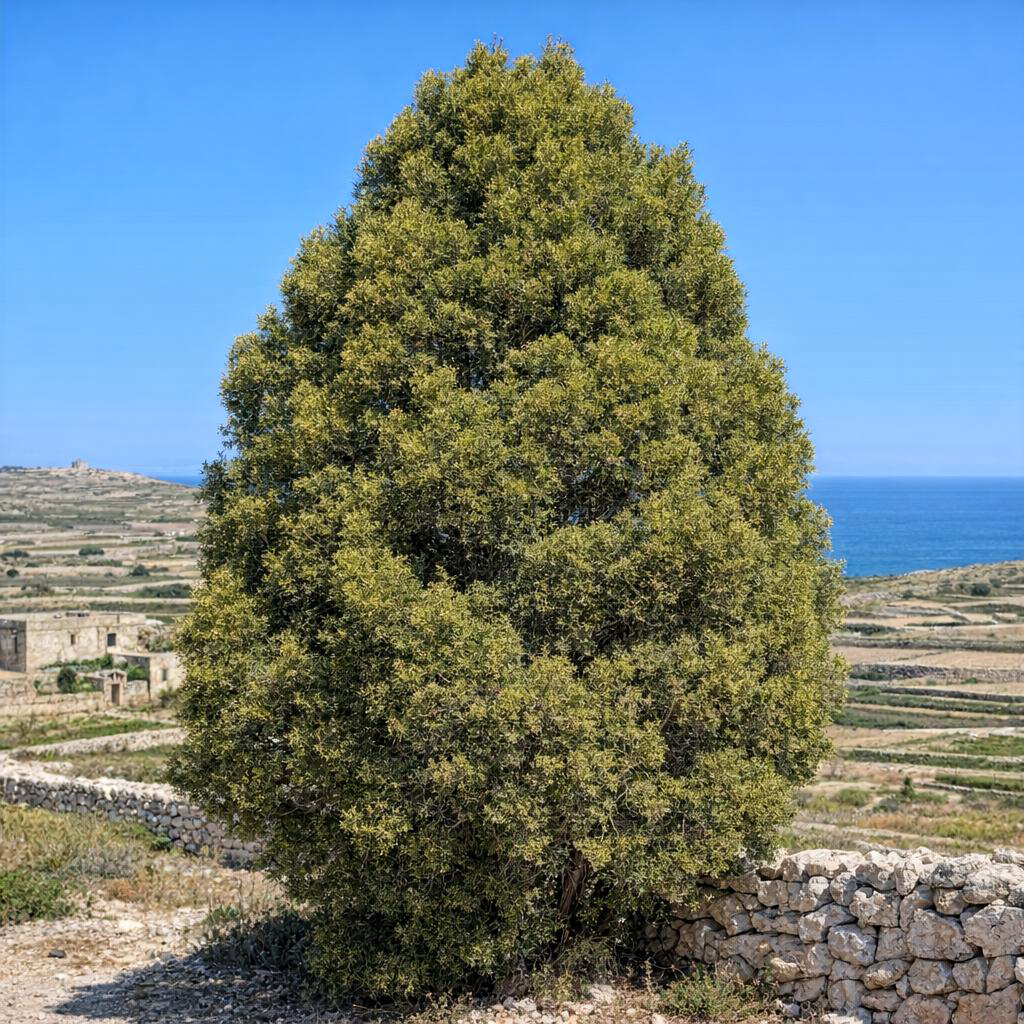
Siġra tal-Għargħar
Arar; Sandarac Gum
Tetraclinis Articulata
CARE TIPS:
|
Prefers open, sunny spots. This species thrives in full-sun. |
|
Requires watering during its establishment phase. Mature trees are highly drought-tolerant! |
FUN FACT! This species is marked as the National Tree of Malta. In the past, its resin was used for varnish and even incense!
Siġra tal-Għargħar
Arar; Sandarac Gum
Tetraclinis Articulata
CARE TIPS:
|
Prefers open, sunny spots. This species thrives in full-sun. |
|
Requires watering during its establishment phase. Mature trees are highly drought-tolerant! |
FUN FACT! This species is marked as the National Tree of Malta. In the past, its resin was used for varnish and even incense!
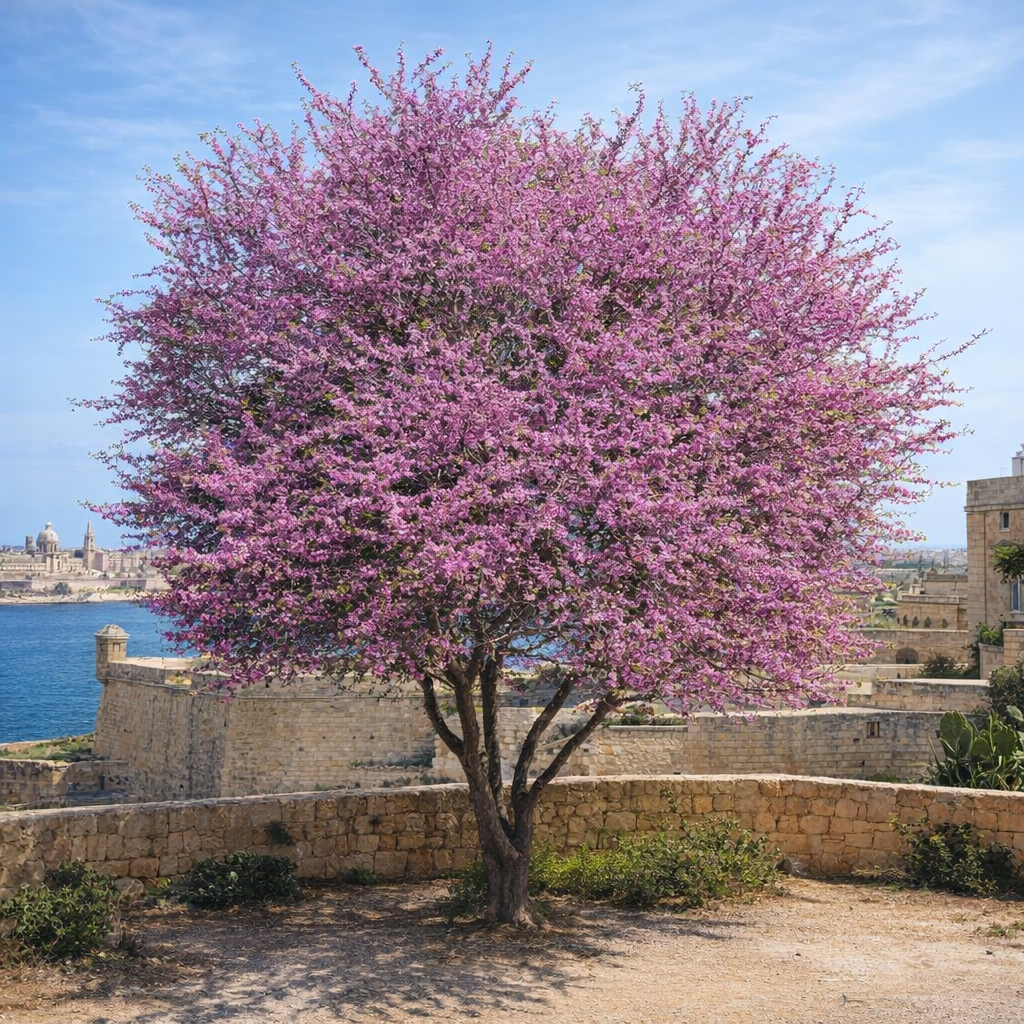
Siġra ta’ Ġuda
Judas Tree
Cercis siliquastrum
CARE TIPS:
 |
Needs well drained soil, avoid areas that tend to hold a lot of water to avoid root rot! |
|
Water regularly during the establishment phase. |
|
Light pruning is best after the flowering stage to maintain shape. |
 |
Choose a permanent location! This species does not transplant well once its roots start spreading! |
FUN FACT! This species is one of the most resilient native Mediterranean oaks!
Siġra ta’ Ġuda
Judas Tree
Cercis siliquastrum
CARE TIPS:
|
Needs well drained soil, avoid areas that tend to hold a lot of water to avoid root rot! |
|
Water regularly during the establishment phase. |
|
Light pruning is best after the flowering stage to maintain shape. |
|
Choose a permanent location! This species does not transplant well once its roots start spreading! |
FUN FACT! This species is one of the most resilient native Mediterranean oaks!
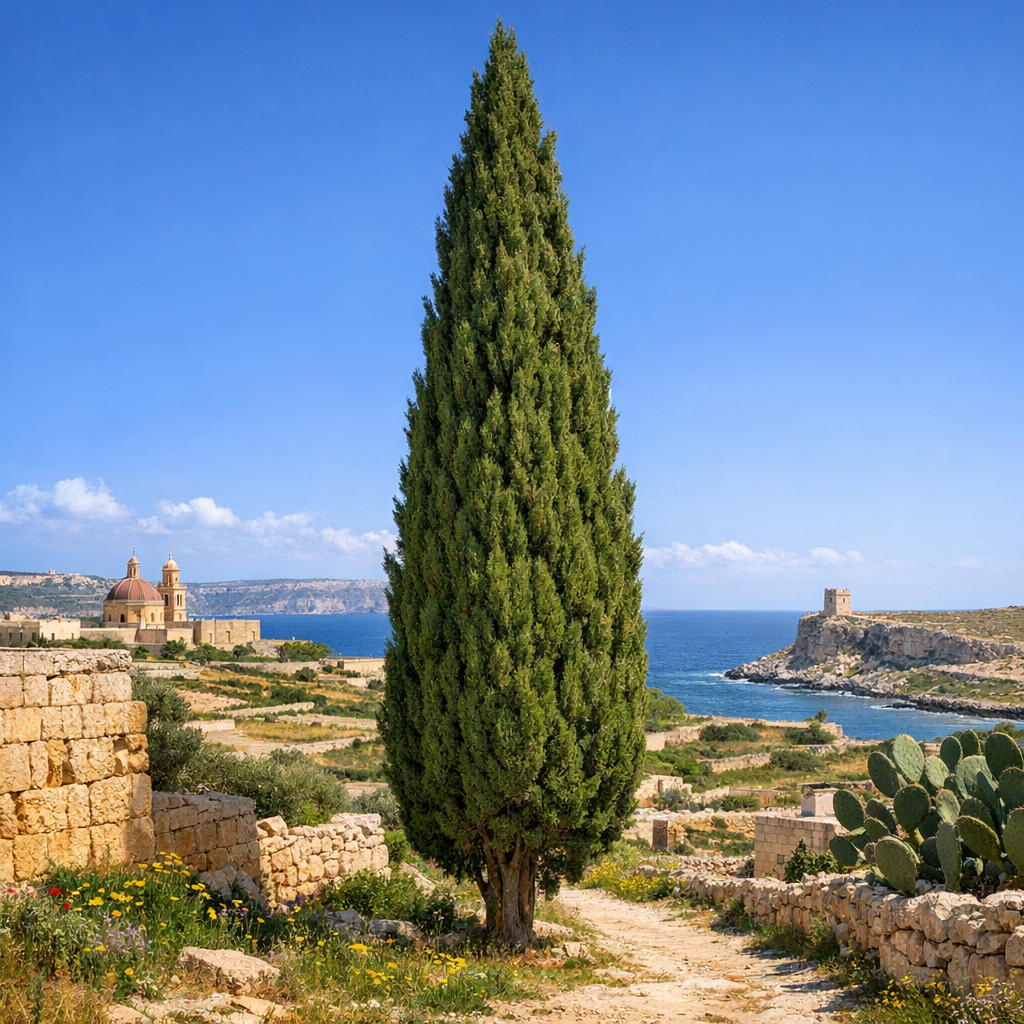
Siġra taċ-Ċipress
Italian Cypress
Cipressus Sempervirens
CARE TIPS:
|
Plant in full sun to maintain its narrow upright form! |
|
Young trees require regular watering, but later on when mature can handle dry Mediterranean summers well. |
FUN FACT! These trees are characteristic in Mediterranean landscapes!
Siġra taċ-Ċipress
Italian Cypress
Cipressus Sempervirens
CARE TIPS:
|
Plant in full sun to maintain its narrow upright form! |
|
Young trees require regular watering, but later on when mature can handle dry Mediterranean summers well. |
FUN FACT! These trees are characteristic in Mediterranean landscapes!
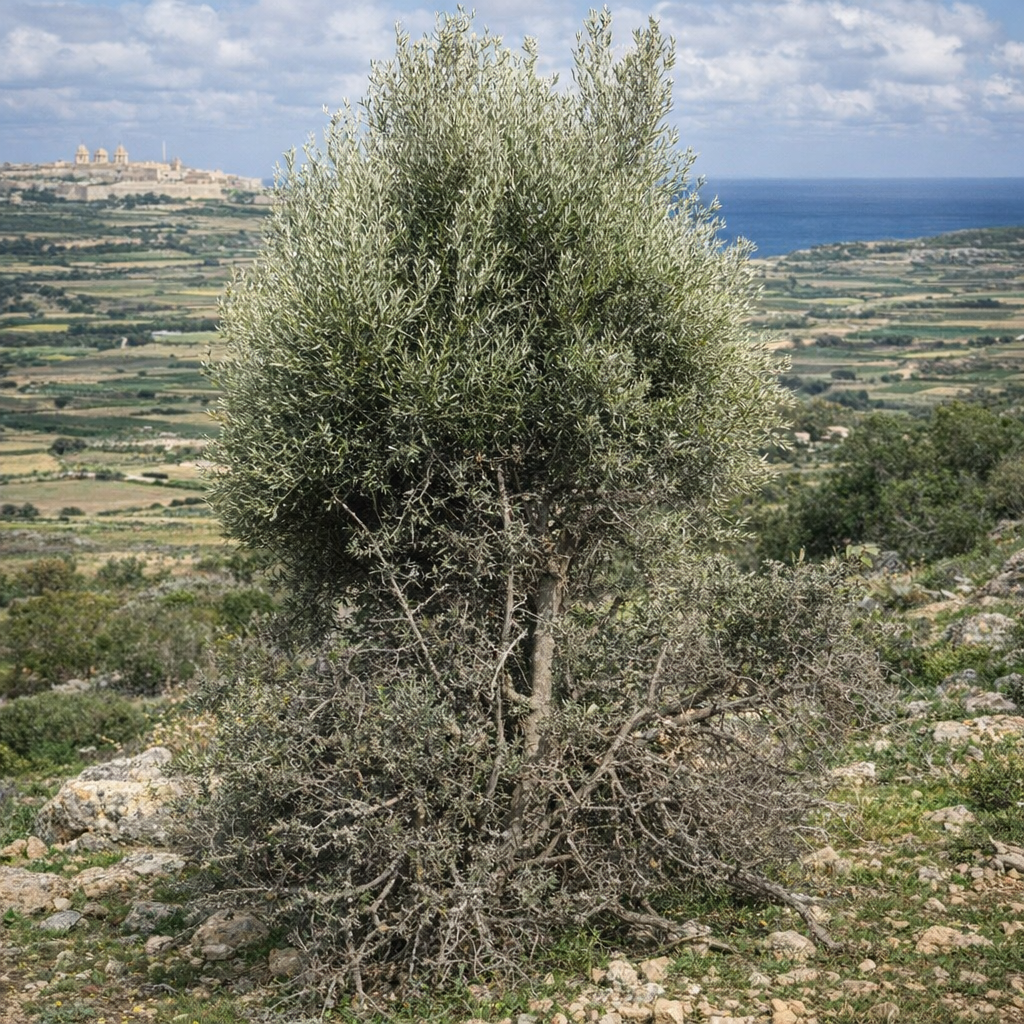
Siġra taż-Żebbuġ Selvaġġ
Wild Olive
Olea Oleaster
CARE TIPS:
|
This species is ideal for dry sites, making them very efficient at conserving water once established. |
 |
This species grows quite slow but is steady and hardy. |
|
Can be pruned to maintain shape and even form it into either hedges or formalised shrubs. |
FUN FACT! These are genetic ancestors of the cultivated olive trees!
Siġra taż-Żebbuġ Selvaġġ
Wild Olive
Olea Oleaster
CARE TIPS:
|
This species is ideal for dry sites, making them very efficient at conserving water once established. |
|
This species grows quite slow but is steady and hardy. |
|
Can be pruned to maintain shape and even form it into either hedges or formalised shrubs. |
FUN FACT! These are genetic ancestors of the cultivated olive trees!
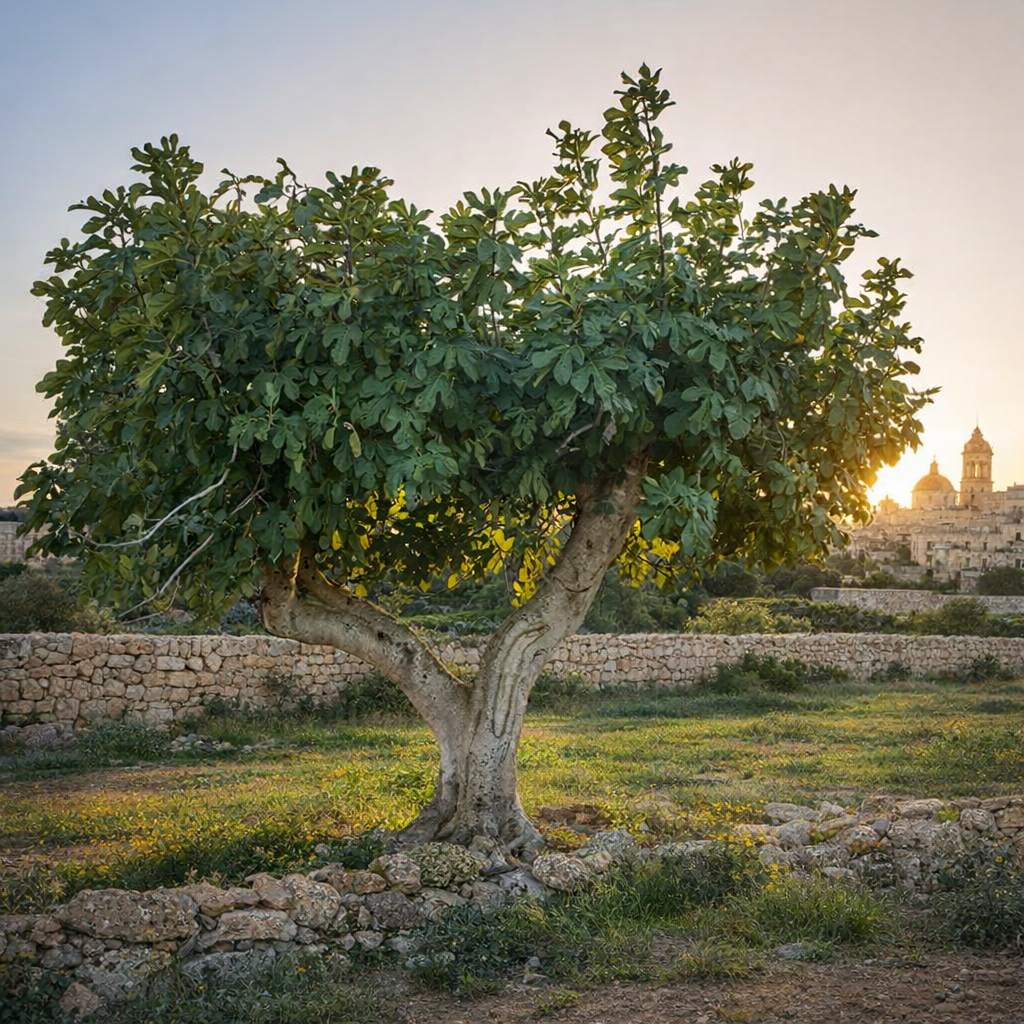
Siġra tat-Tin
Fig
Ficus Carica
CARE TIPS:
 |
To maximise its yield in fruit, this species requires shelter from strong winds and full sun! |
|
Prefers well drained soils, but the soil must remain moist during dry periods. |
|
Pruning can be done in the winter time by removing dead branches and to shape the tree. |
FUN FACT! Fig fruits are actually inverted flowers- when you eat a fig, you re consuming between 100 500 individual fruits.
Siġra tat-Tin
Fig
Ficus Carica
CARE TIPS:
|
To maximise its yield in fruit, this species requires shelter from strong winds and full sun! |
|
Prefers well drained soils, but the soil must remain moist during dry periods. |
|
Pruning can be done in the winter time by removing dead branches and to shape the tree. |
FUN FACT! Fig fruits are actually inverted flowers- when you eat a fig, you re consuming between 100 500 individual fruits.
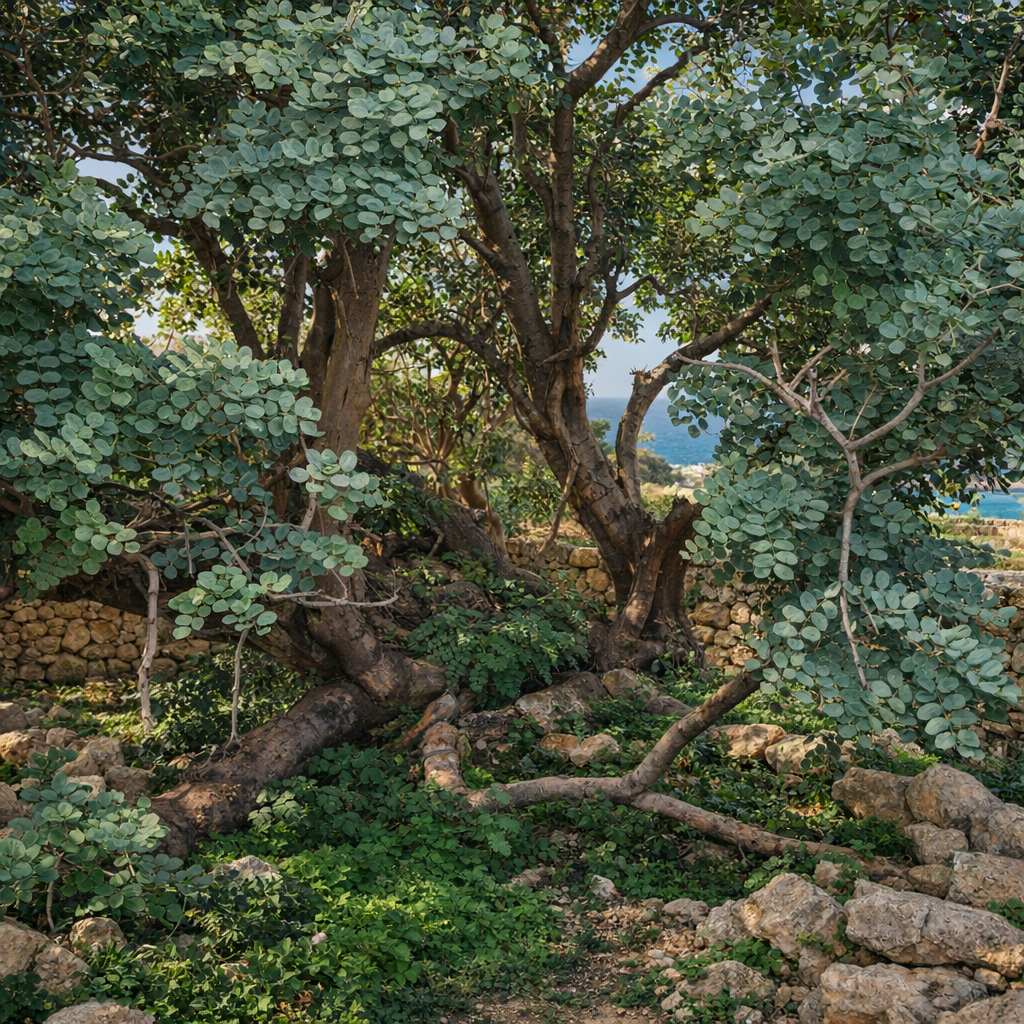
Siġra tal-Ħarrub
Carob
Ceratonia Siliqua
CARE TIPS:
|
Excellent drought resilience once established this species prefers well-drained soils. |
|
Younger trees need water up until they re established. They do tolerate dry periods with minimal irrigation. To encourage pod production, provide more water during the flowering period. |
FUN FACT! Native to the Mediterranean, the carob tree is mentioned in the Bible and was known to ancient Greeks; its pods were believed to sustain John the Baptist (hence why its also called St. John s Bread”).
Siġra tal-Ħarrub
Carob
Ceratonia Siliqua
CARE TIPS:
|
Excellent drought resilience once established this species prefers well-drained soils. |
|
Younger trees need water up until they re established. They do tolerate dry periods with minimal irrigation. To encourage pod production, provide more water during the flowering period. |
FUN FACT! Native to the Mediterranean, the carob tree is mentioned in the Bible and was known to ancient Greeks; its pods were believed to sustain John the Baptist (hence why its also called St. John s Bread”).
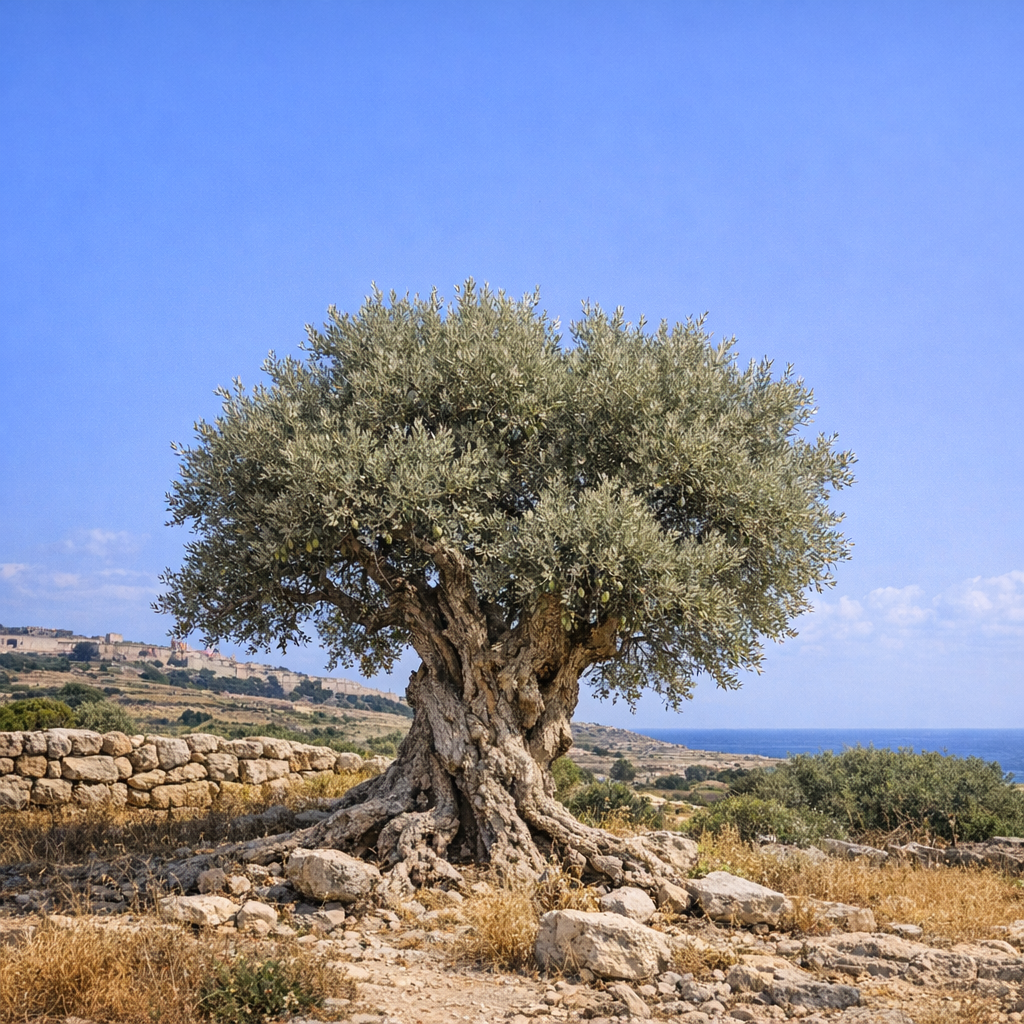
Siġra taż Żebbuġ
Olive
Olea Europaea s.l.
CARE TIPS:
|
This species needs full sun and adequate drainage. |
|
Regular watering is required until establishment, however mature trees are extremely drought tolerant. |
|
Annual pruning is recommended to improve structure, airflow and to produce better quality fruit. |
FUN FACT! The oldest olive tree is estimated to be between 2000 and 4000 years old, still producing fruit in Ano Vouves, Crete!
Siġra taż Żebbuġ
Olive
Olea Europaea s.l.
CARE TIPS:
|
This species needs full sun and adequate drainage. |
|
Regular watering is required until establishment, however mature trees are extremely drought tolerant. |
|
Annual pruning is recommended to improve structure, airflow and to produce better quality fruit. |
FUN FACT! The oldest olive tree is estimated to be between 2000 and 4000 years old, still producing fruit in Ano Vouves, Crete!
Siġra tar-Rummien; Tal-Bullar
Pomegranate
Punica Granatum
CARE TIPS:
|
Plant in areas where the sun hits directly to promote strong flowering and fruits! |
|
Requires watering until its established. During the flowering and fruiting periods, increase in watering is recommended. |
|
Tolerates a range of soil types! Requires some drainage. |
FUN FACT! The Pomegranate fruit has long been a symbol of fertility and prosperity across Mediterranean cultures for centuries!
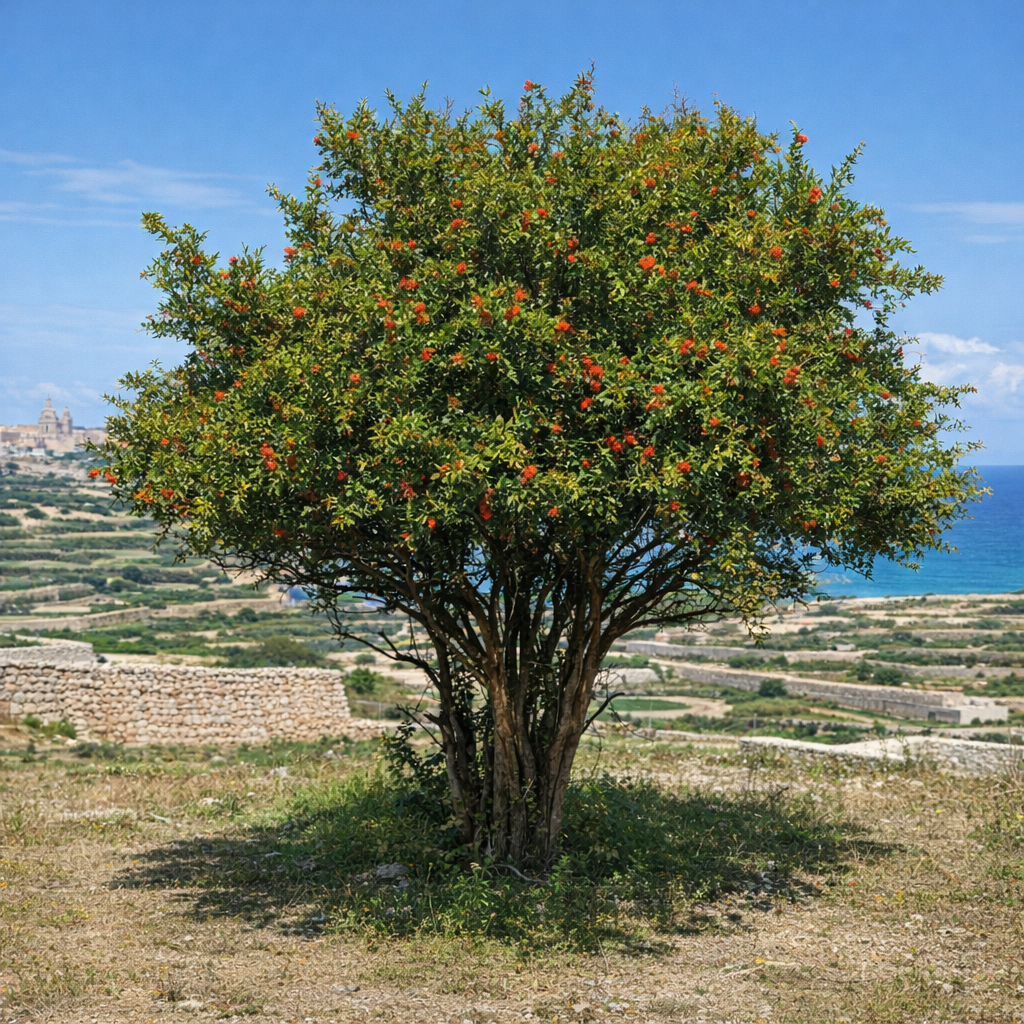
Siġra tar-Rummien; Tal-Bullar
Pomegranate
Punica Granatum
CARE TIPS:
|
Plant in areas where the sun hits directly to promote strong flowering and fruits! |
|
Requires watering until its established. During the flowering and fruiting periods, increase in watering is recommended. |
|
Tolerates a range of soil types! Requires some drainage. |
FUN FACT! The Pomegranate fruit has long been a symbol of fertility and prosperity across Mediterranean cultures for centuries!
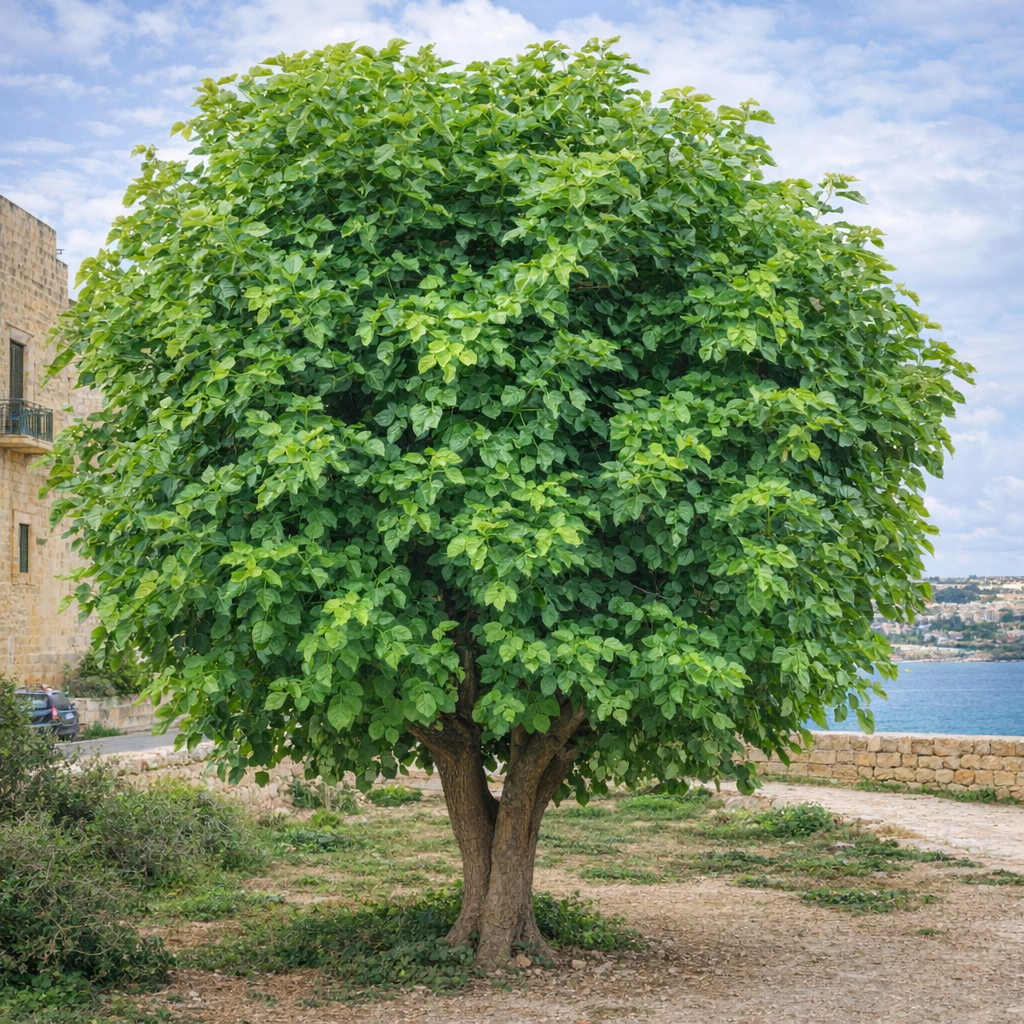
Siġra Tat-Tut
Black Mulberry
Morus Nigra
CARE TIPS:
|
This species likes space to spread its wide canopy. |
|
Requires adequate watering and moisture throughout its entire life but more attention during its first few years until establishment. |
 |
Regular clean-up after the fruiting season is necessary to avoid pests! |
|
No special pruning techniques are needed after the branches have been trained to a sturdy framework, except to remove dead or overcrowded wood. |
FUN FACT! Mulberries are the primary source of food for silkworms! And symbolize wealth and prosperity in many countries!
Siġra Tat-Tut
Black Mulberry
Morus Nigra
CARE TIPS:
|
This species likes space to spread its wide canopy. |
|
Requires adequate watering and moisture throughout its entire life but more attention during its first few years until establishment. |
|
Regular clean-up after the fruiting season is necessary to avoid pests! |
|
No special pruning techniques are needed after the branches have been trained to a sturdy framework, except to remove dead or overcrowded wood. |

