


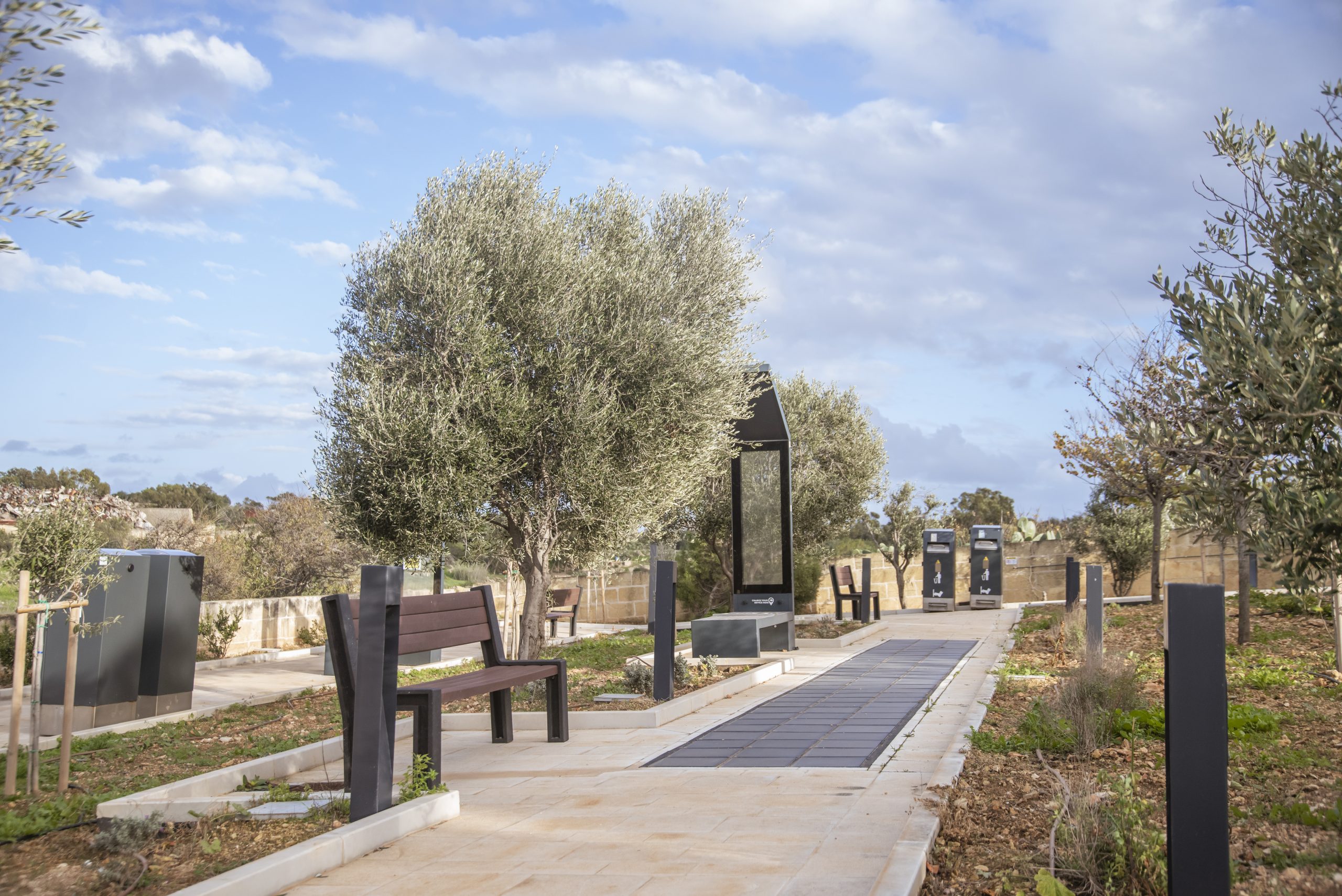
Public parks are evolving, not just in how they look, but in how they are planned, managed and experienced by the public. From digital platforms to smart maintenance systems, technology is playing an increasingly important role in making Malta’s green spaces more accessible, responsive and future ready.
In an interview with SiGMA News, Project Green’s Chief Corporate Strategy and Transformation officer Adrian Xuereb, explained how Project Green is utilising digital tools and data-driven approaches that strengthen the way public parks are designed and managed.
One of the most visible steps that the agency has taken is the launch of Parks in Malta, a centralised website created as a single reference point for public parks and open spaces around Malta and Gozo. Mr Xuereb noted that the platform acts as a “one-stop information hub, bringing together park profiles, photos, facilities, accessibility details and opening hours in an easily navigable space.” Instead of searching across multiple sources, people can now locate a park at the tip of their fingers.
The site currently features more than 200 recreational spaces and is designed to match people with places that fit their needs, whether they are looking for an outdoor gym, picnic area, walking and running routes. The emphasis is not only on visibility, but on helping residents and visitors alike make fuller use of the green infrastructure.
Online engagement is complementing this effort by keeping communities informed and involved. Social media remains an important tool for sharing updates, highlighting projects and encouraging participation. Mr Xuereb emphasised with SiGMA that Facebook continues to play a crucial role in community-level outreach in Malta, while visual platforms such as Instagram and TikTok are effective for showcasing parks through photos, short videos and behind the scenes content.
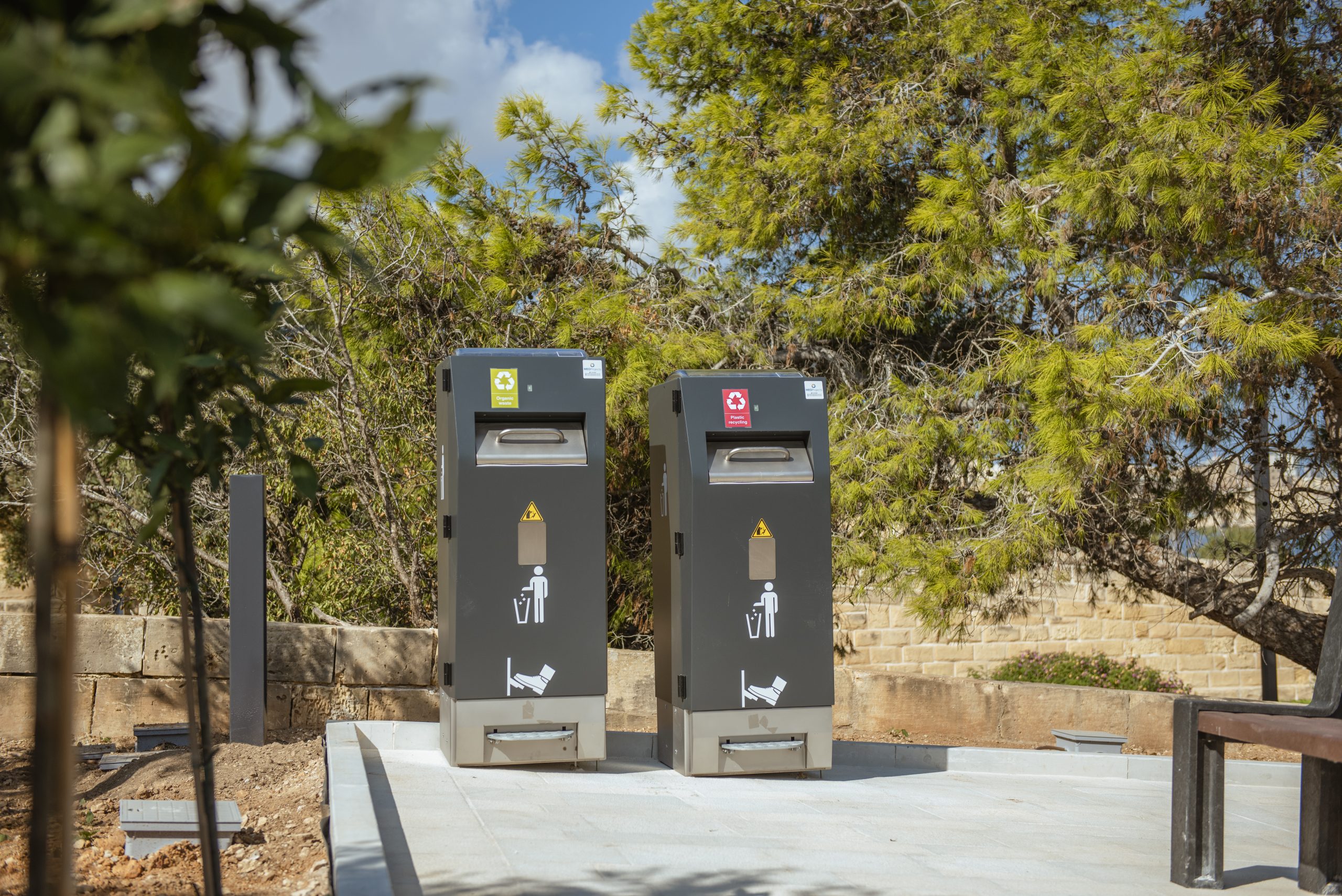
Technology is also shaping what happens behind the scenes. Smarter systems have the potential to improve day to day operations through real-time monitoring, automated alerts and connected maintenance tools, allowing issues to be identified and addressed more quickly. These technological advancements allow Project green to better maintain open spaces and allows for more accurate and reliable information for park users.
Data Collection is another key area of focus. Tracking footfall, equipment usage, environmental conditions and maintenance response times gives Project Green Clearer insight into how spaces are performing and how they are being used. With this data, planning becomes more precise, resources can be allocated more effectively, and the long-term impact of projects can be measured with greater transparency.
Administrative processes are also become more streamlined. Mr Xuereb explains that Project Green now uses a “dedicated system that handles the receipt, routing and processing of online application” allowing the agency to reduce delays, improving internal efficiency while offering a smoother experience of applicants and partners.
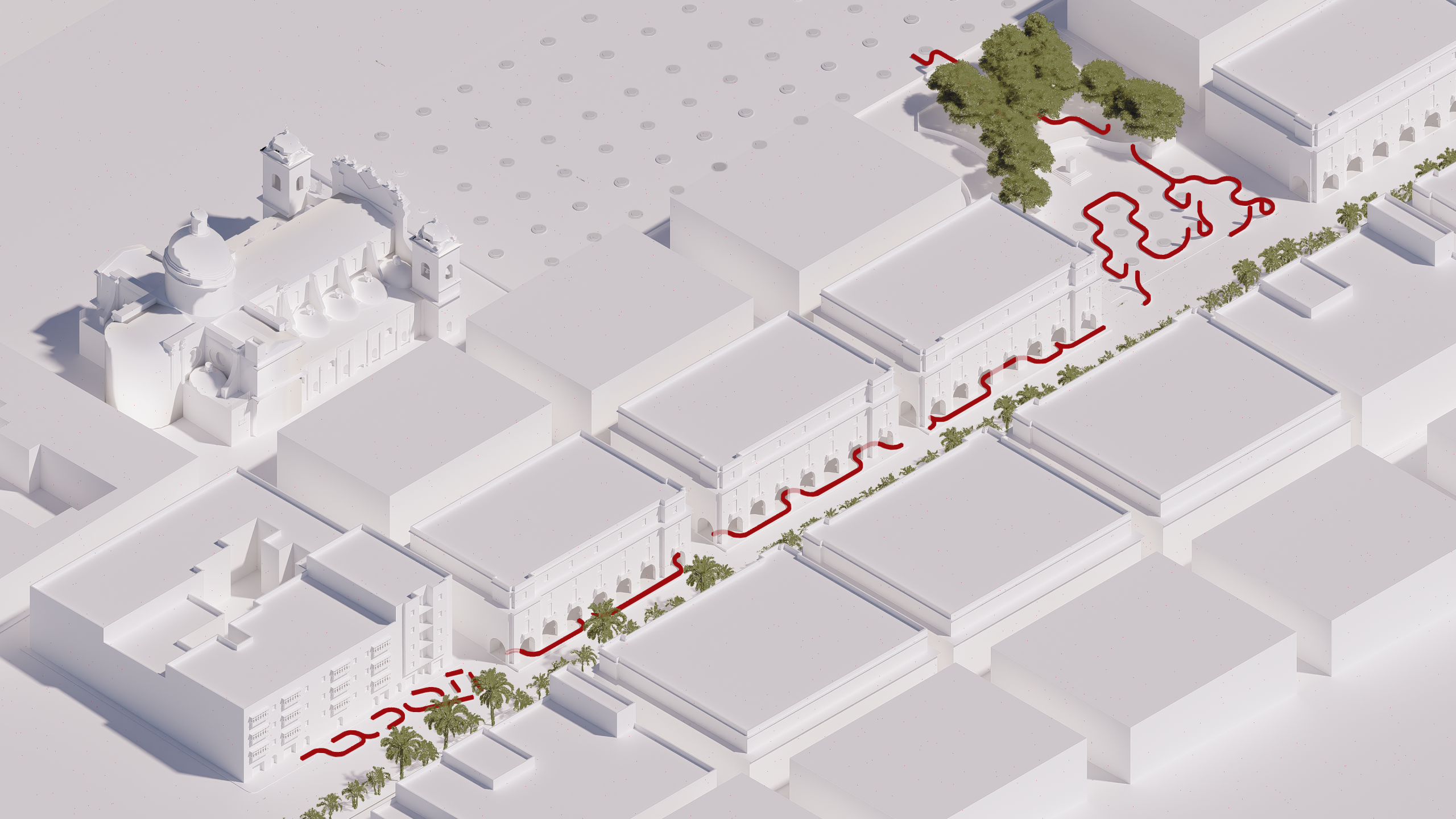
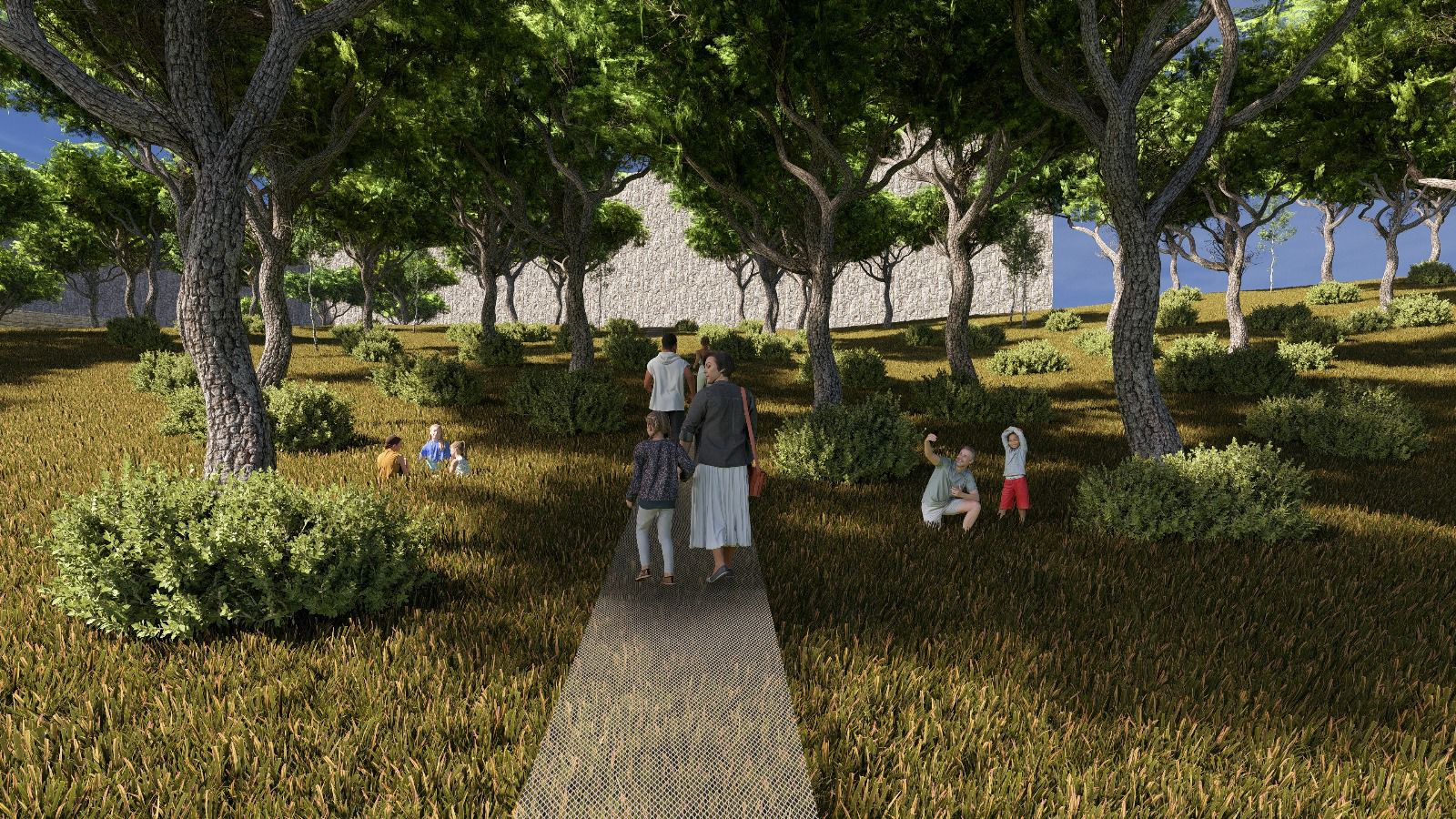
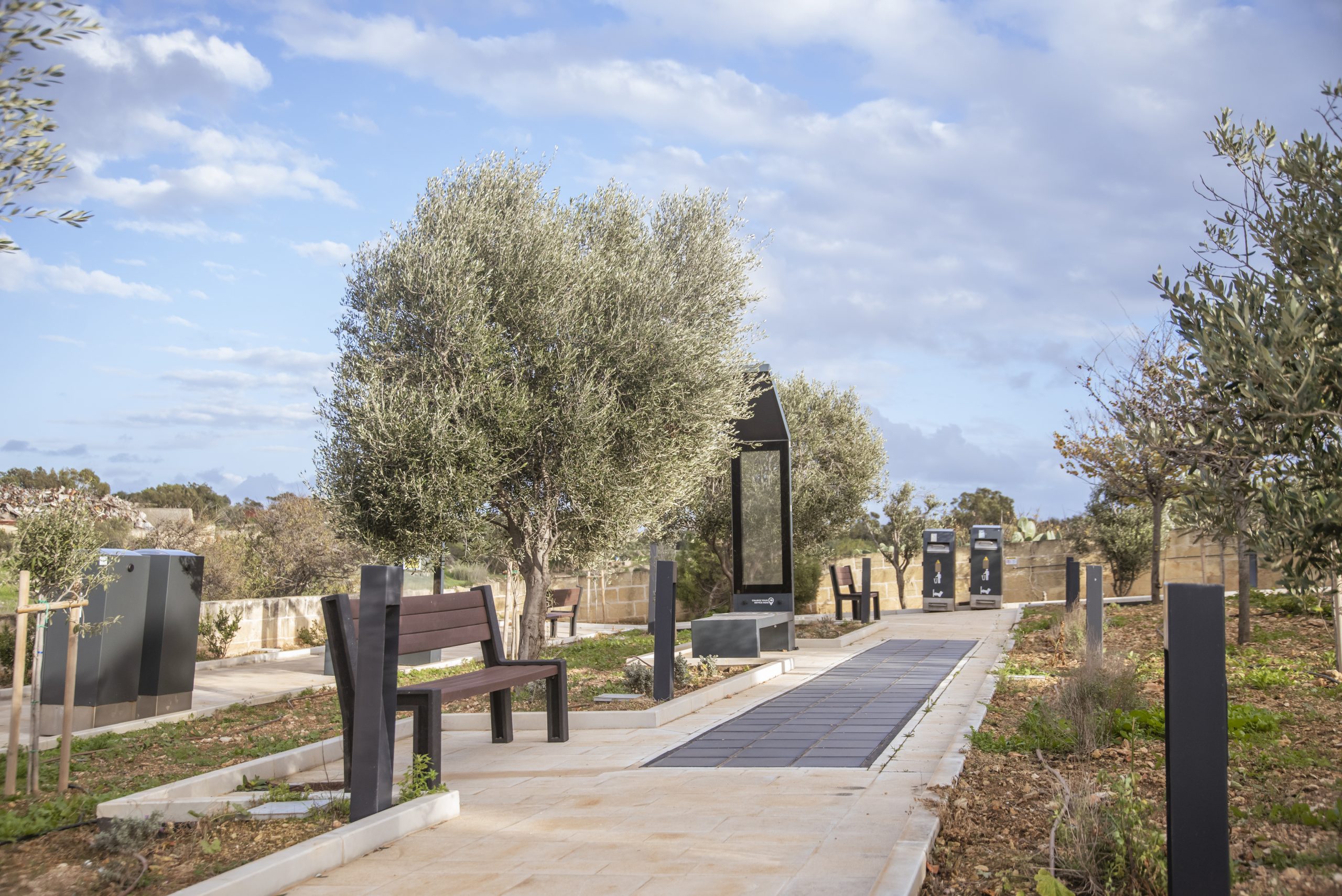
Mr Xuereb also highlighted Malta’s urban realities, where limited land and high population density require creative approaches to expanding access to green space. Mr Xuereb described a clear guiding objective that every household should be within a ten-minute walk of an open space. Achieving this feat does not depend solely on large-scale projects, but also on smaller intervention in highly urbanised areas. This is done by transforming underutilised plots, road verges and residual urban areas into pocket parks, shaded rest zones and small gardens with seating.
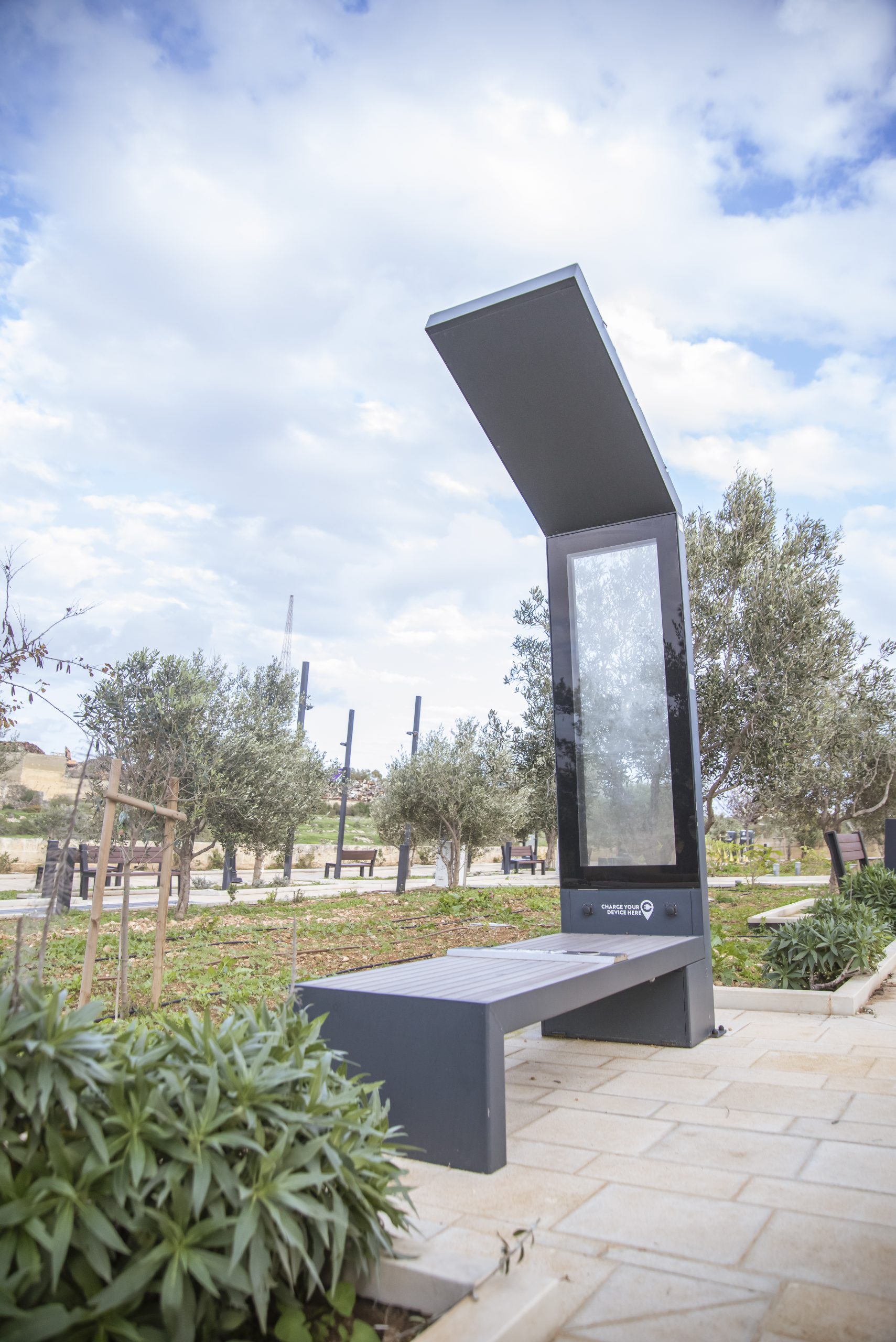
Collaboration with various NGOs and stakeholders is expected to play a growing role in activating and enhancing these spaces. Partnerships with Malta’s Tech and gaming sectors, among others, could introduce new ideas and new uses while preserving the core purpose of parks as inclusive and restorative environments. As Mr Xuereb explained, designing parks with adaptable infrastructure, including power access points, modular seating, open lawns and strong connectivity makes it possible to host innovative activities without compromising everyday public use.
These initiatives reflect a broader shift in how green spaces are managed; not as a static amenity, but as living assets supported by technology, informed by data and shaped around people’s needs.
Share: