Search in Website

European Agricultural Fund for Rural Development Programme (RDP)


The 2014-2022 Rural Development Programme (RDP) entails six EU priority areas, sub-divided in a total of 18 focus areas.  The consultation process and preparations leading up to the drafting of the new programme also identified five main needs for the Maltese agricultural sector, namely:

  • Water, waste and energy
  • Maltese quality produce
  • Sustainable livestock
  • Landscape and environment, and
  • A wider rural economy and quality of life.

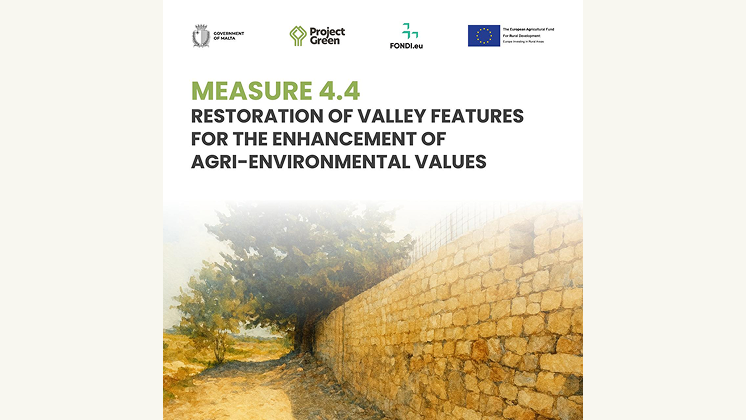
Measure 4.4

Measure 4.4 supports non-productive investments that promote agri-environmental and climate goals in rural and semi-natural areas. For Project Green, this meant the rehabilitation of valleys, works were done to restore ecological integrity and strengthen landscape resilience.

Key actions include:

  • Removal of invasive species
  • Rebuilding dry-stone and rubble walls
  • Planting indigenous trees and shrubs
  • Installing irrigation systems, timber railings and gates

These measures will restore habitats, improve watercourse health, and stabilise valley ecosystems.

Wied Għajn Riħana


The Wied Għajn Rihana Valley Restoration Project will rehabilitate one of Malta’s key riparian ecosystems in Burmarrad. It addresses flooding, soil erosion, and biodiversity loss while improving access for the community and farmers. Works include rebuilding traditional rubble walls, creating pathways to agricultural land, and removing illegally dumped waste. Together, these actions will restore the valley’s ecology, protect its cultural landscape, and promote sustainable land management for the future.

Wied l-Isperanza and Wied Qlejgha


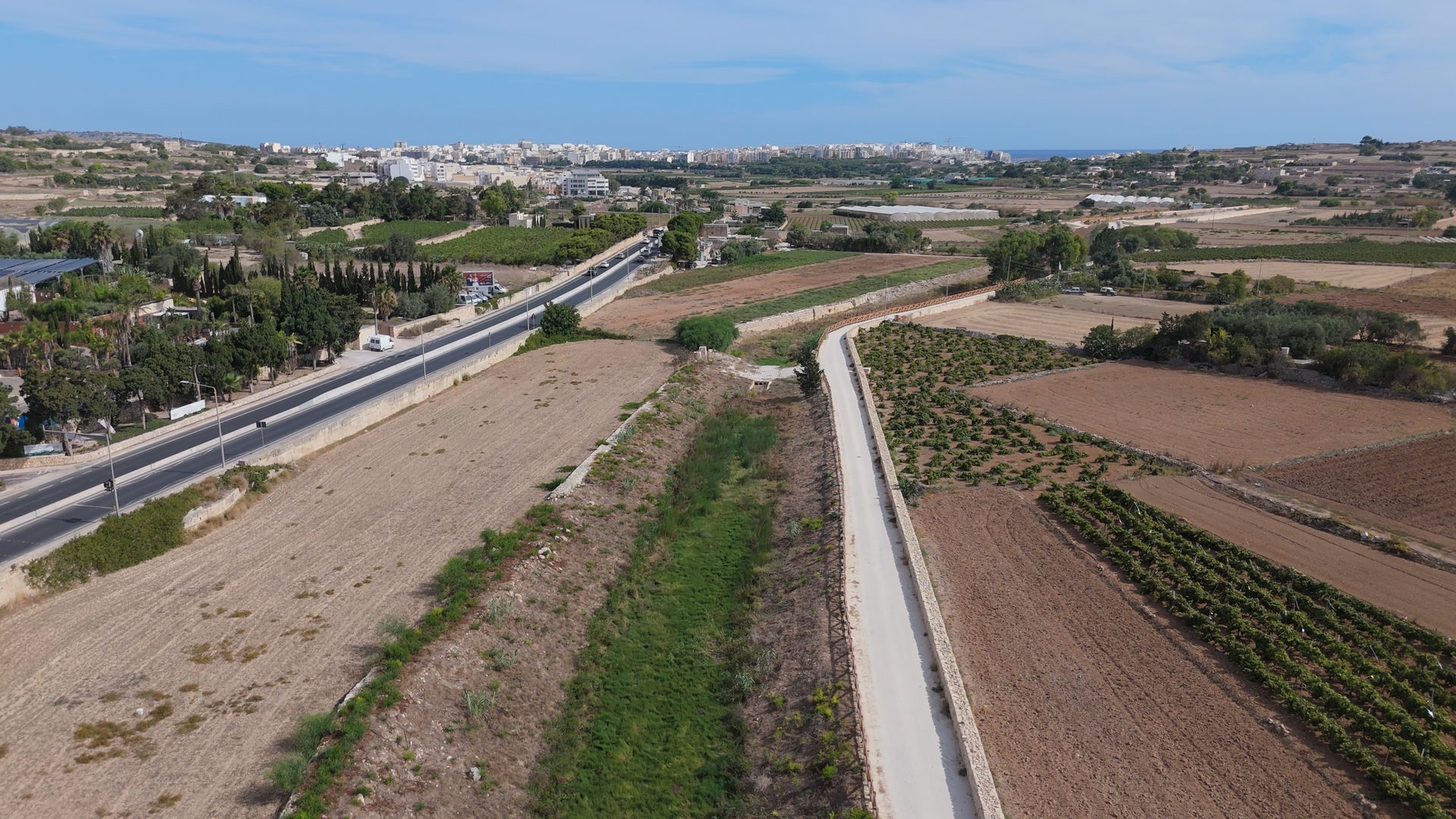
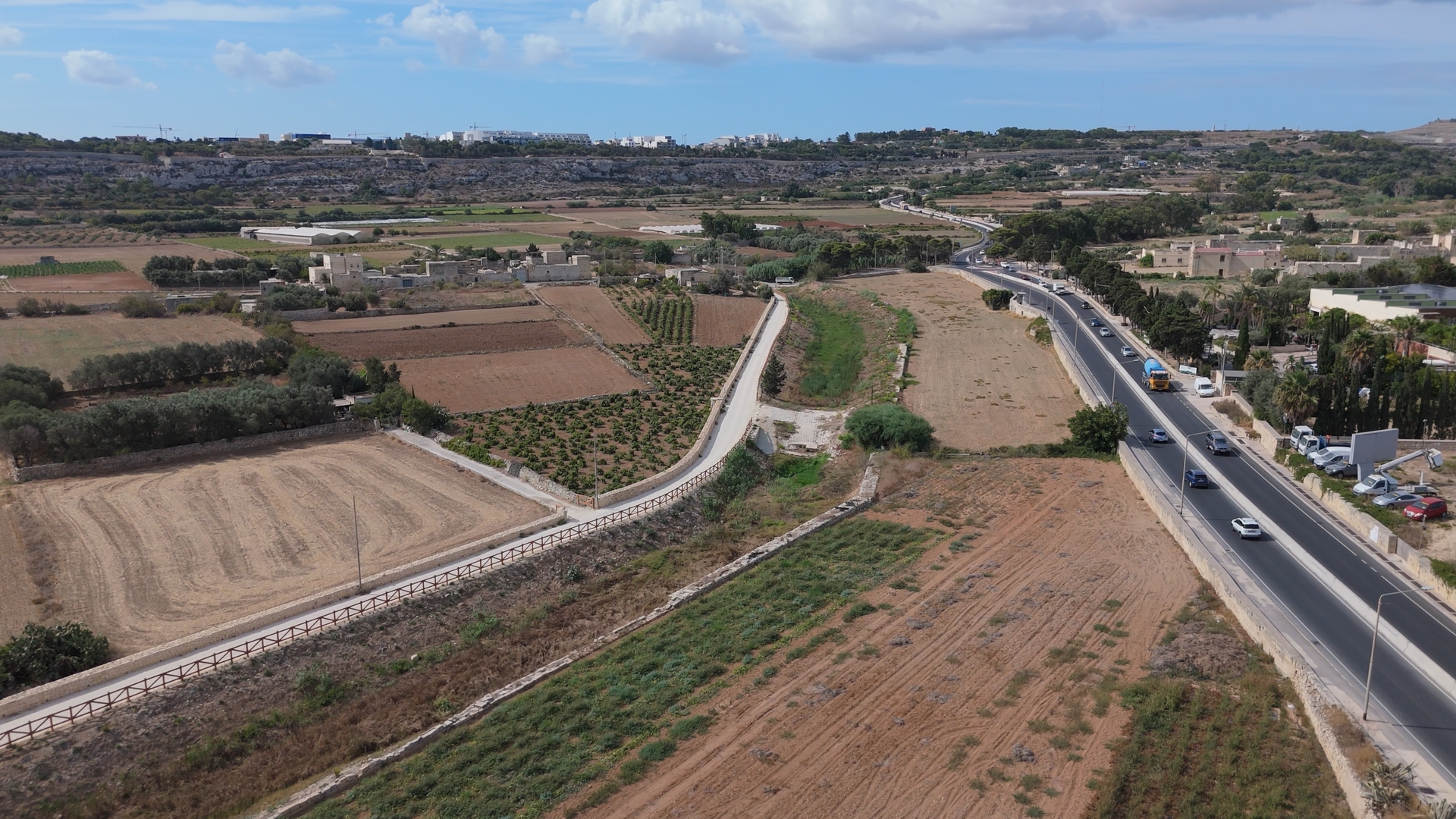
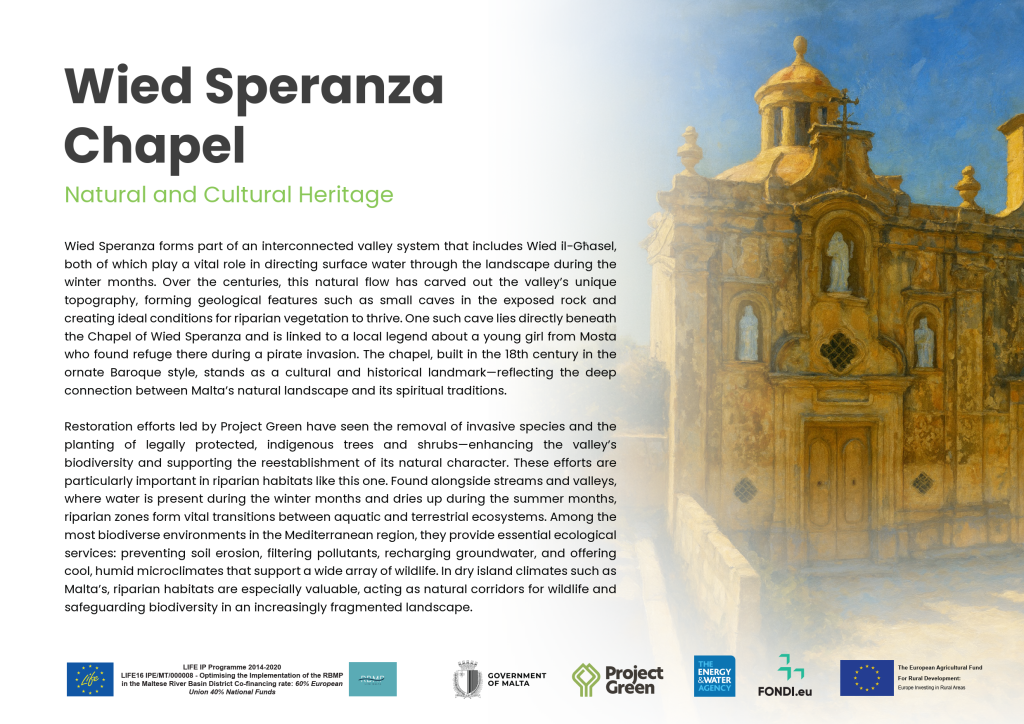
This project focused on the ecological restoration of Wied l-Isperanza and Wied il-Qlejgħa, two valleys of significant natural and cultural importance in the Mosta area. Wied l-Isperanza, named after its historic chapel built in 1760, underwent a comprehensive rehabilitation programme aimed at restoring its natural ecosystem and enhancing biodiversity. Works included the cleaning of the valley bed, the removal of invasive alien plant species that threaten native habitats, and the planting of indigenous trees and shrubs to re-establish the natural riparian environment. An irrigation system was installed to support the establishment and early growth of the newly planted vegetation.

Further improvements involved the rebuilding of damaged rubble walls to stabilise slopes and prevent erosion, the installation of barriers to prevent off-roading and protect the valley floor, and the use of natural materials such as biodegradable geotextiles to safeguard soil integrity. Informational signage was also proposed to raise public awareness about the site’s ecological and cultural value.

In Wied il-Qlejgħa, cleaning and desilting works were undertaken in one of the existing water basins to enhance water collection capacity and improve groundwater recharge, thereby reducing downstream flooding risks. Collectively, these interventions contribute to the long-term restoration of the valleys’ habitats, the improvement of water management systems, and the preservation of the cultural landscape for future generations.

This project is co-financed with:

  • EAFRD Measure 4.4 – Rubble wall restoration, cleaning, and planting
  • EU LIFE Programme – Infrastructure works including irrigation.
Project Green

Project Green

I will be back soon

Project Green
Hey there 👋
How can I help you?
Messenger