


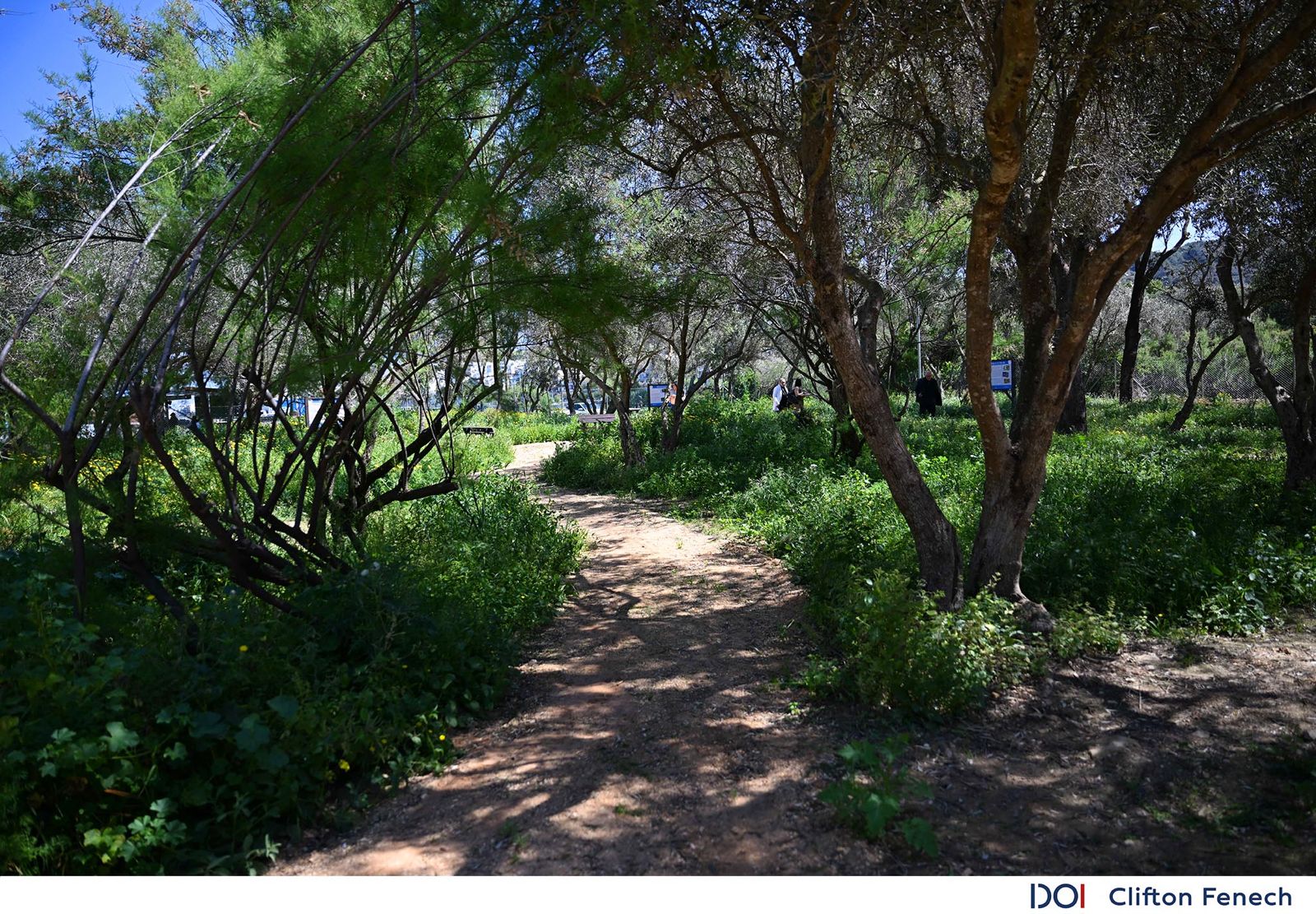
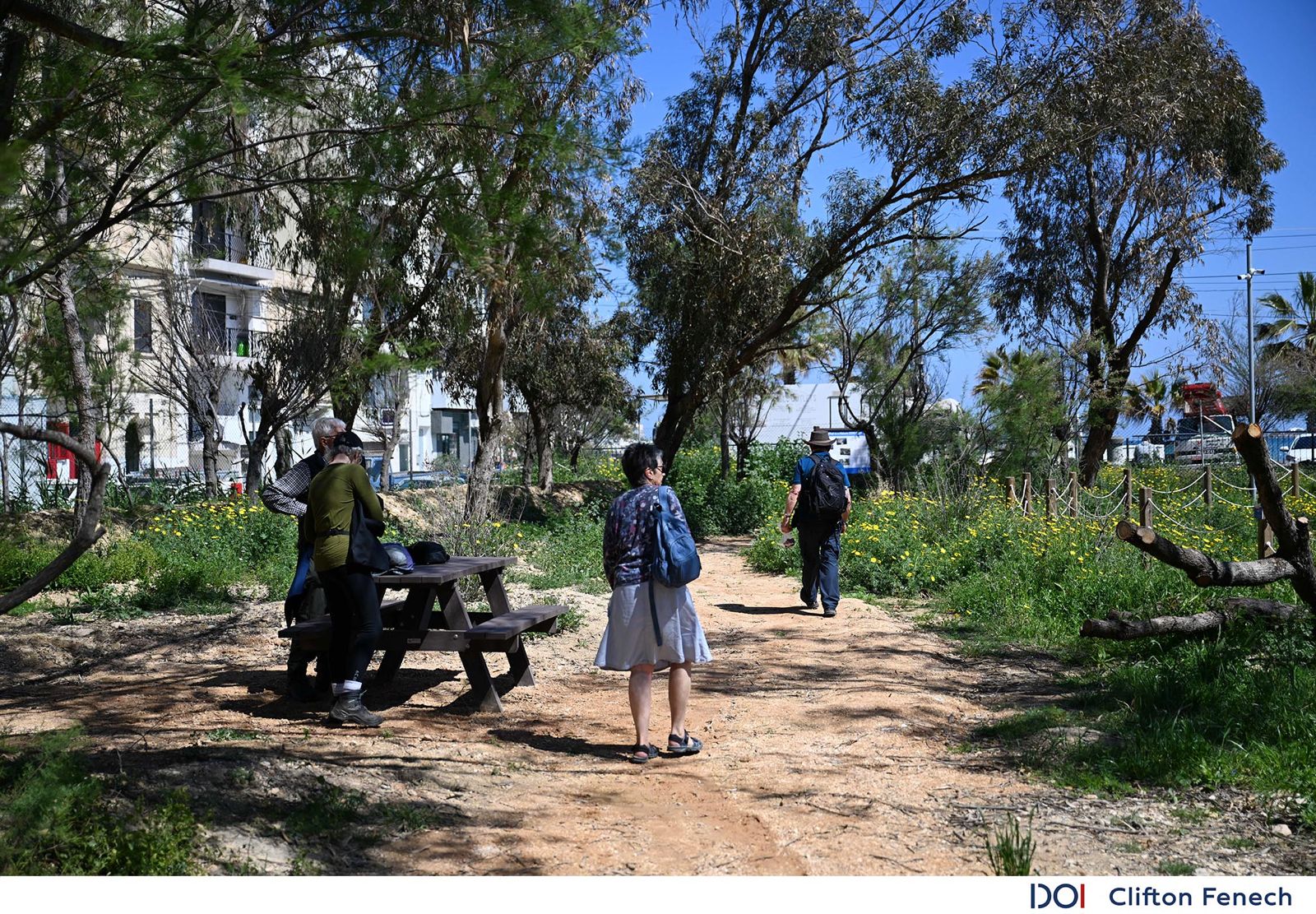
An area of about 4,000 square metres, which for many years had been abandoned and affected by illegal dumping, has now been completely transformed.
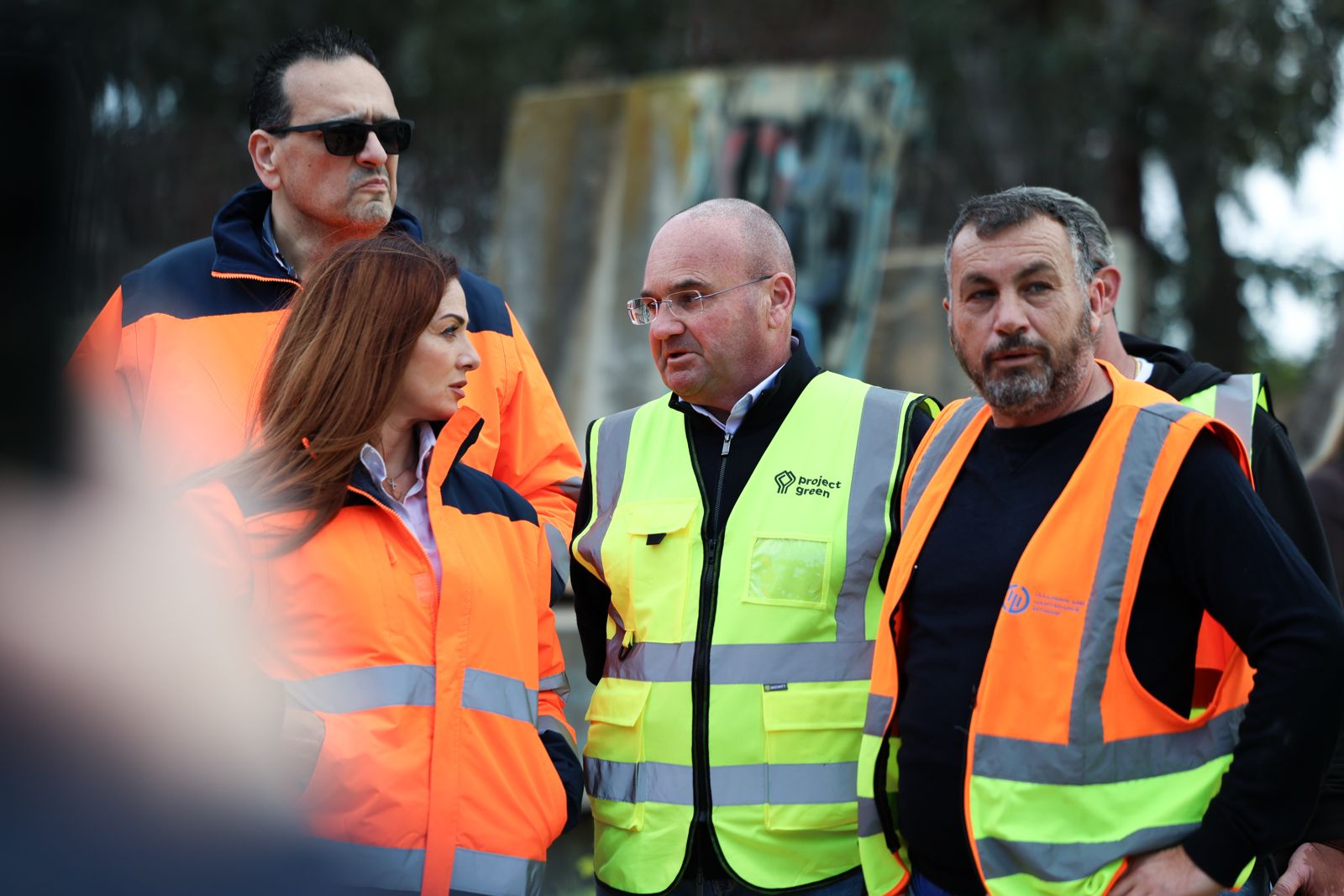
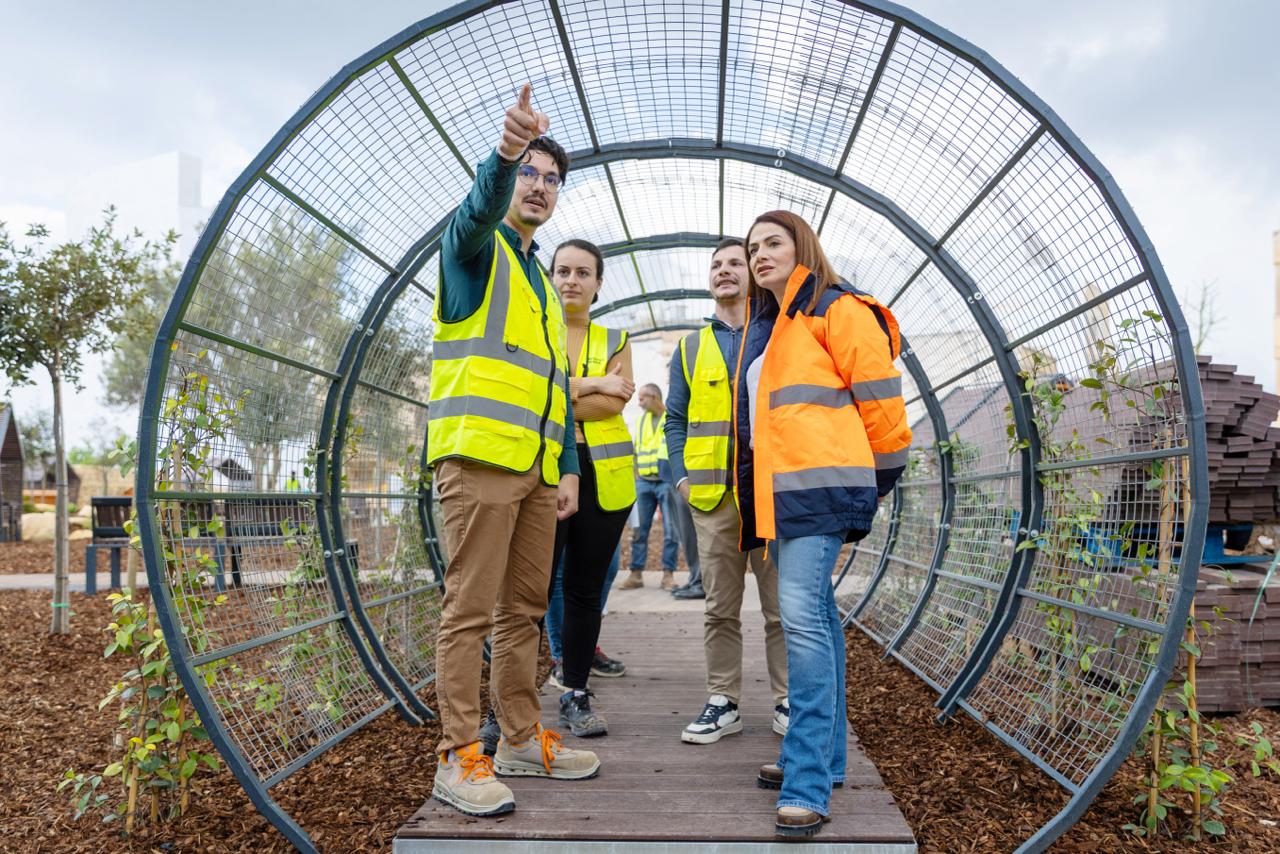
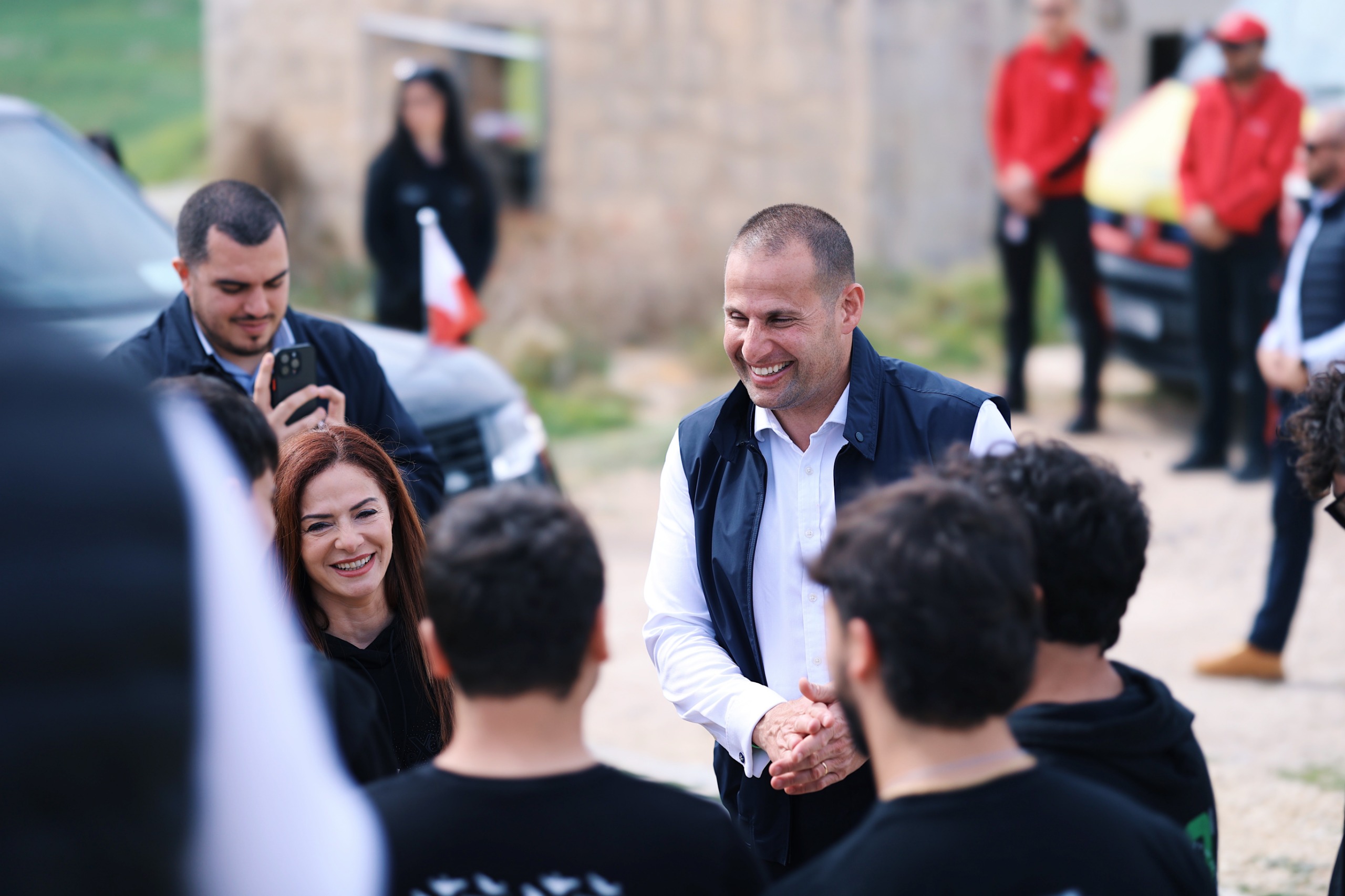
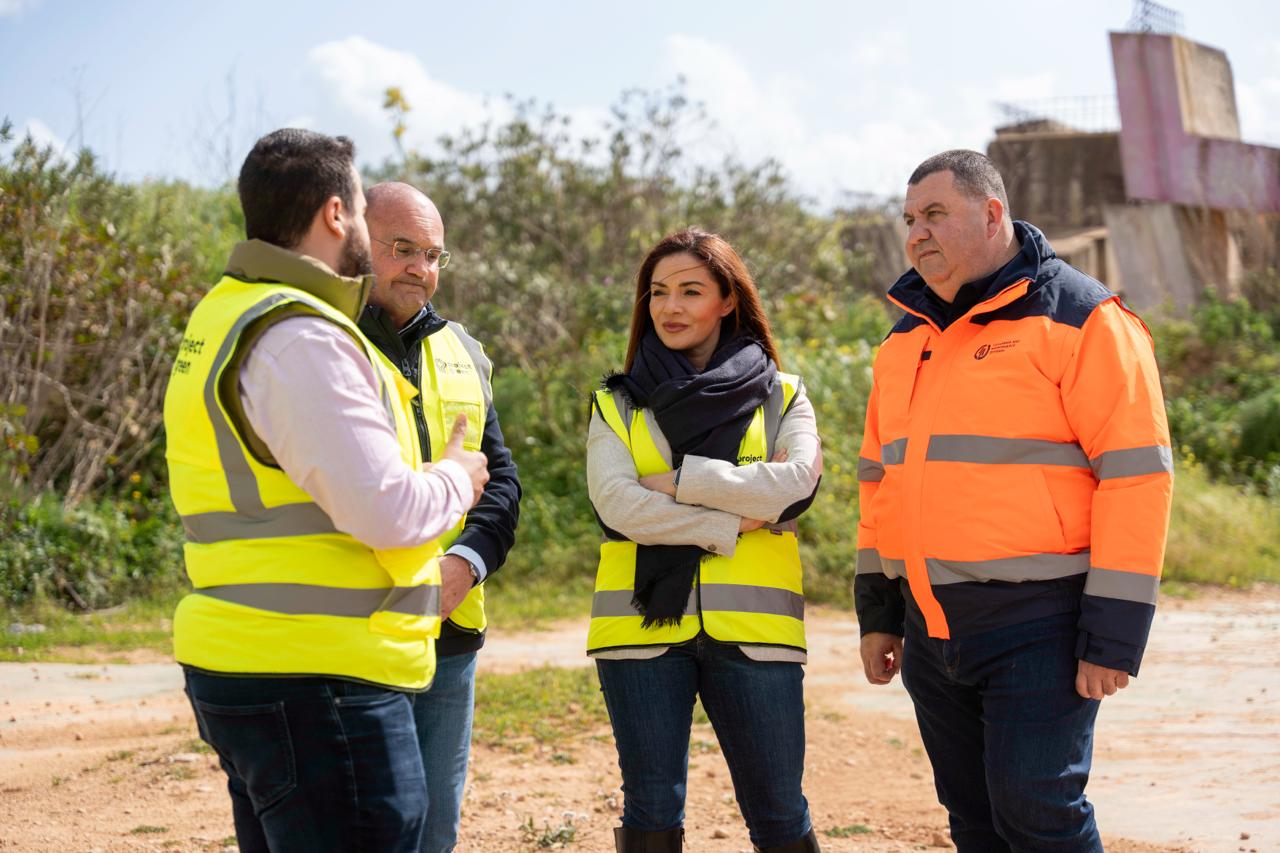
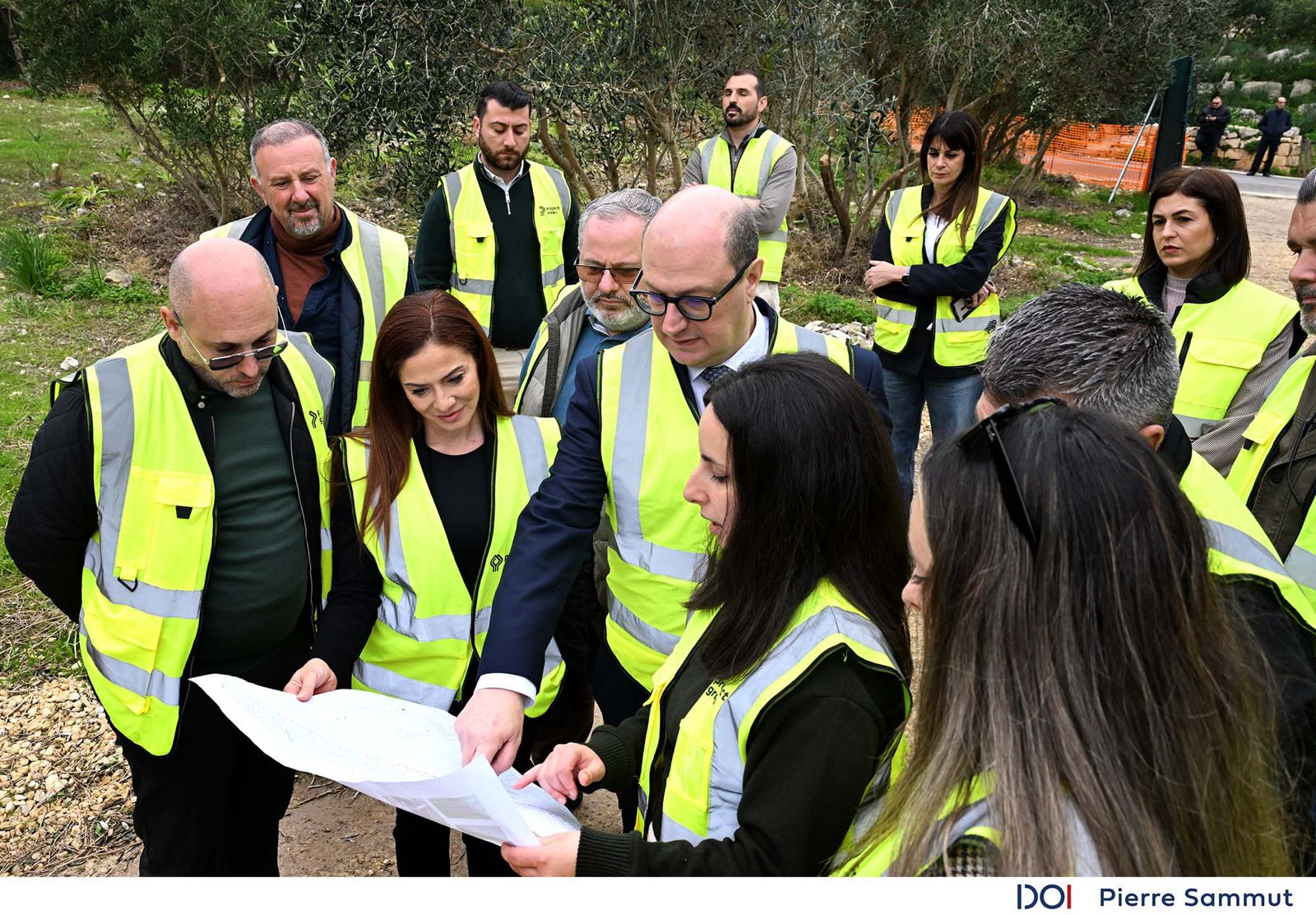
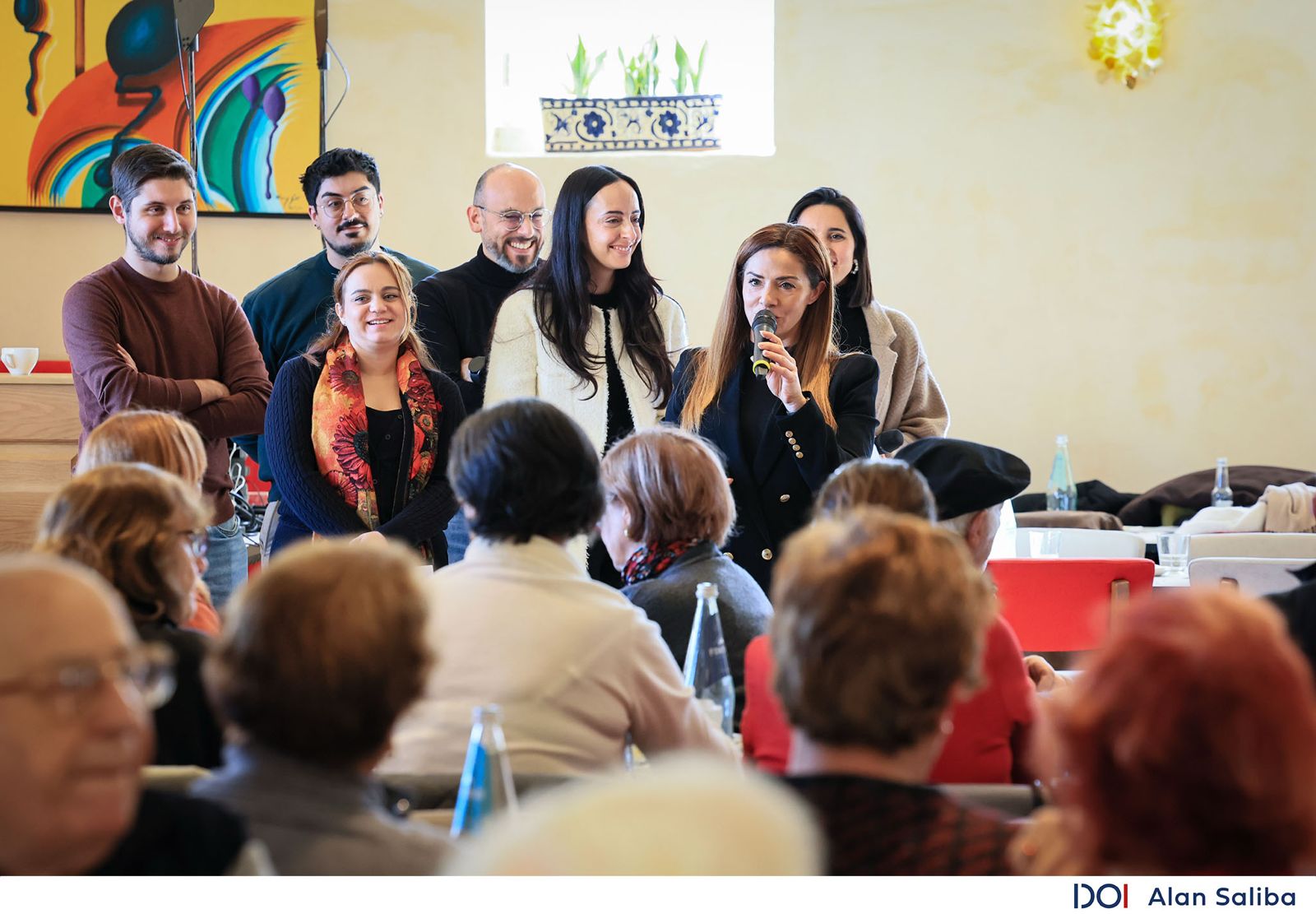
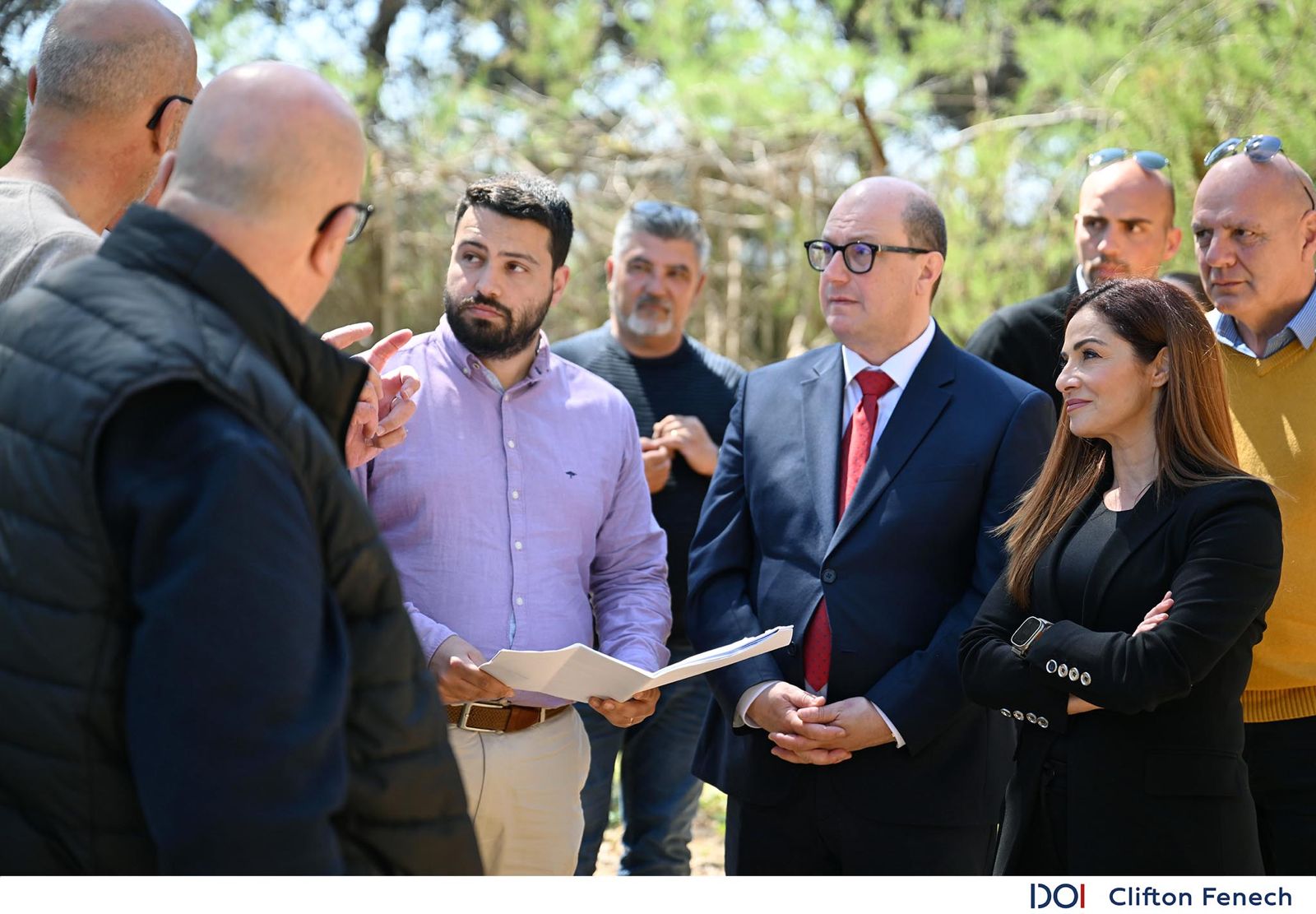
Together with the Minister for the Environment, Miriam Dalli, the Minister for European Funds, Stefan Zrinzo Azzopardi, in the presence of the Project Green team, local council members, and representatives of BirdLife Malta, an environmental space was inaugurated. It has been regenerated and is located next to the Simar Nature Reserve in St Paul’s Bay.
Through this project, the area was redesigned in a way that respects the environment, while also ensuring safety and providing the best possible experience for visitors. The interventions have also enhanced the value of the nearby nature reserve, which forms part of Natura 2000.
“Another project completed, another space opened. This project is a clear example of how we can transform neglected areas into spaces of environmental and social value. Through this investment, we restored a sensitive ecosystem and returned a safe, accessible, and educational space to the public. The Simar Reserve nearby is an important part of the Natura 2000 network, and therefore every intervention was carried out with full respect for its biodiversity. This is another step in our work to continue improving people’s quality of life while protecting our country’s natural heritage for future generations,” said Minister Miriam Dalli.
Minister Stefan Zrinzo Azzopardi stated that this investment clearly shows how European funds are being used to strengthen the natural environment, protect biodiversity, and increase accessible public spaces. He added that interventions like those at Simar form part of a broader vision that links nature conservation with people’s quality of life. “This investment not only strengthens biodiversity and improves the quality of the natural environment but also adds value to communities by providing spaces for rest and recreation in a protected natural setting. We will continue investing in environment initiatives that enhance our country’s environmental resilience and leave a long-term positive impact for both present and future generations,” Minister Zrinzo Azzopardi concluded.
The interventions prioritised safety, accessibility, and sustainability. From a safety perspective, CCTV systems were installed, and walls, gates, and fencing were constructed to prevent further illegal dumping and unauthorized access. Fire prevention measures were also included.
From an accessibility perspective, pathways and ramps were built that also allow water to pass through, along with public facilities accessible to everyone in line with Accessibility for All guidelines. The site can now be reached by more than 700 residents living within a 10-minute walk.
Landscaping work was carried out in a way that respects the ecological value of the area. Native plants suited to the reserve’s ecosystem were planted, and a sustainable irrigation system was implemented. Furniture made from recycled materials was installed, including picnic benches, seating, and recycling bins. In line with Natura 2000 rules and due to the site’s sensitive biodiversity, no lighting was installed.
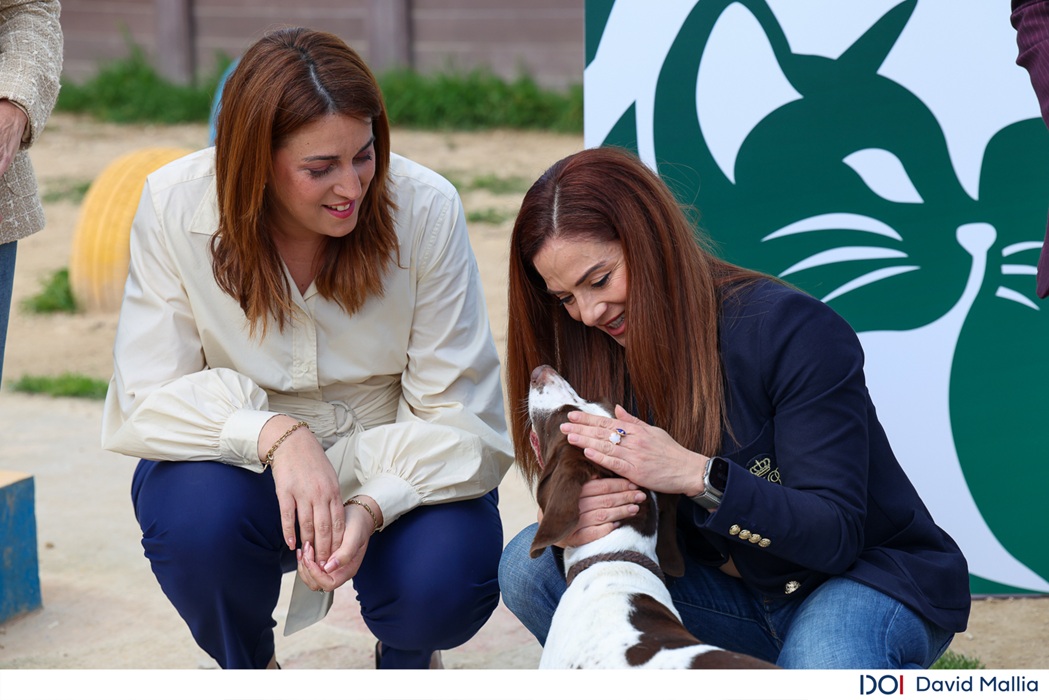
Educational and informational panels were also placed around the park, explaining site rules, providing a general map with trails and key points, outlining cultural and ecological history, promoting animal protection messages, and offering information about habitats and species protected under EU directives.
Share: